Thriftika—Clothing Library
UX Research & Identity Design
Role
Researcher & Designer
Design Research
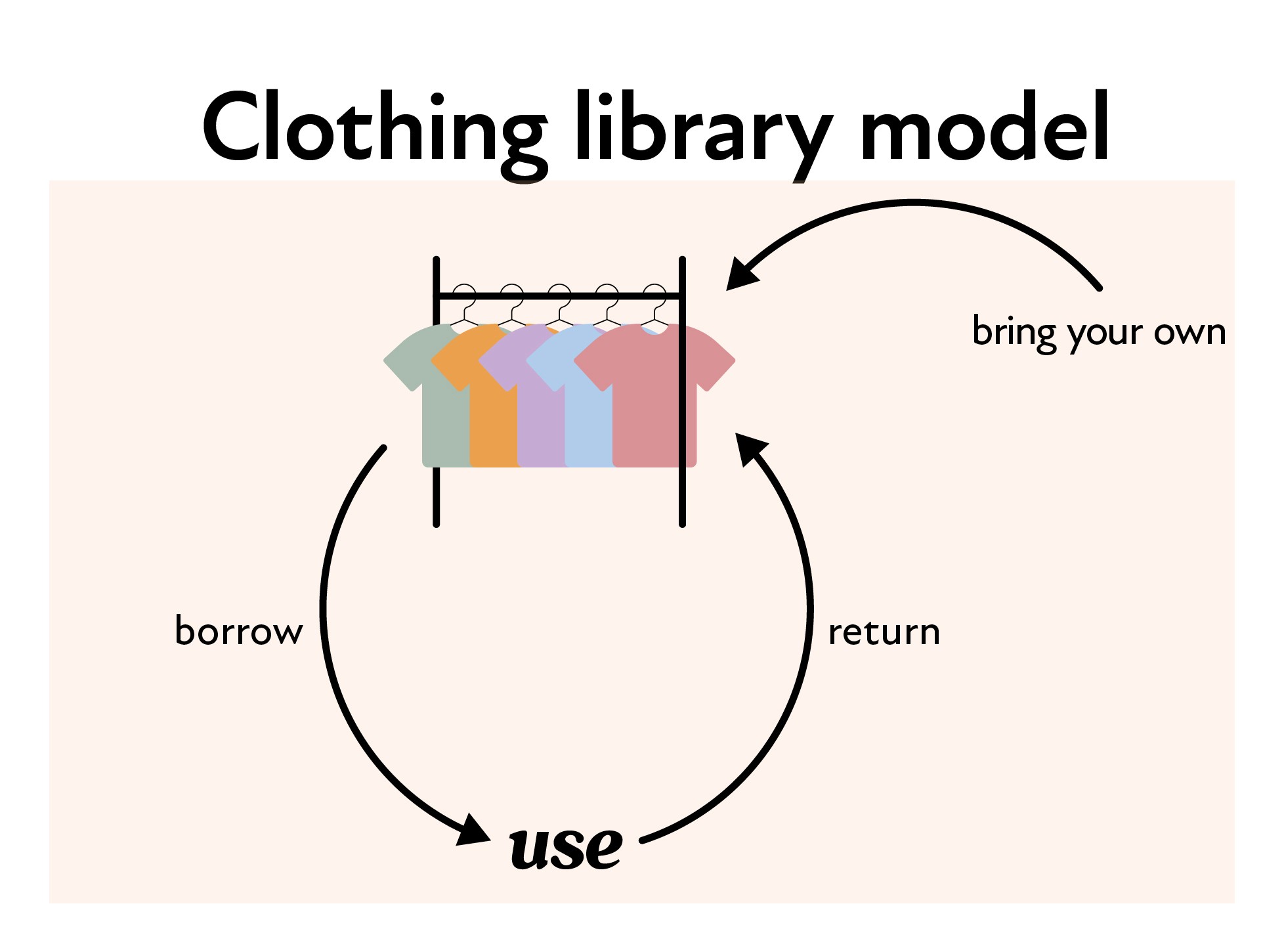
Branding
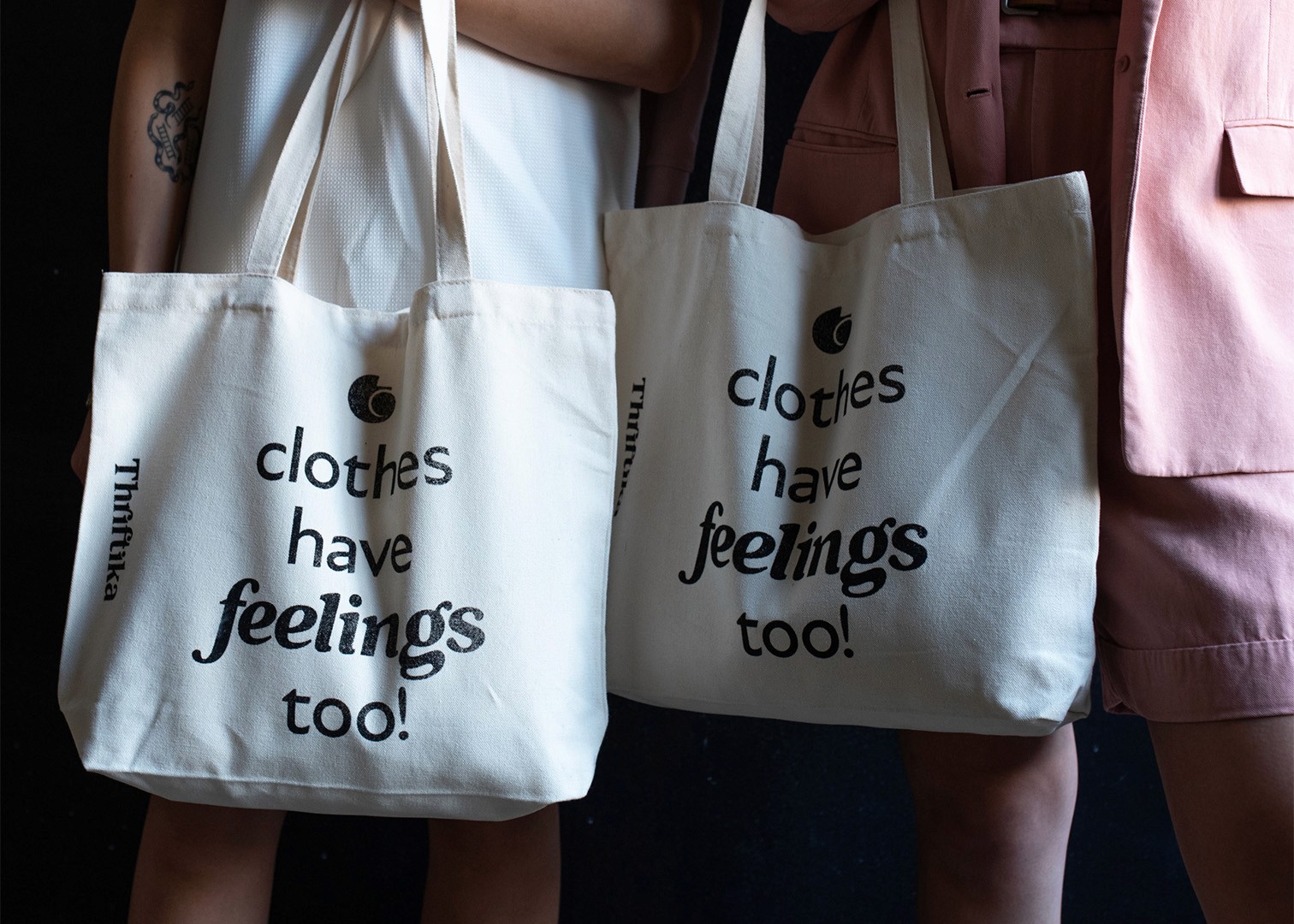
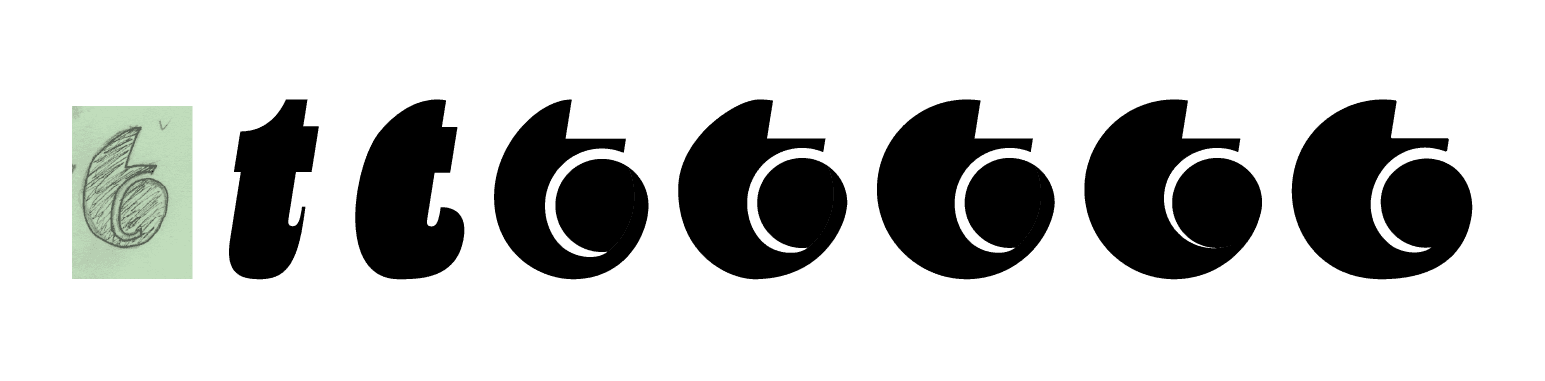
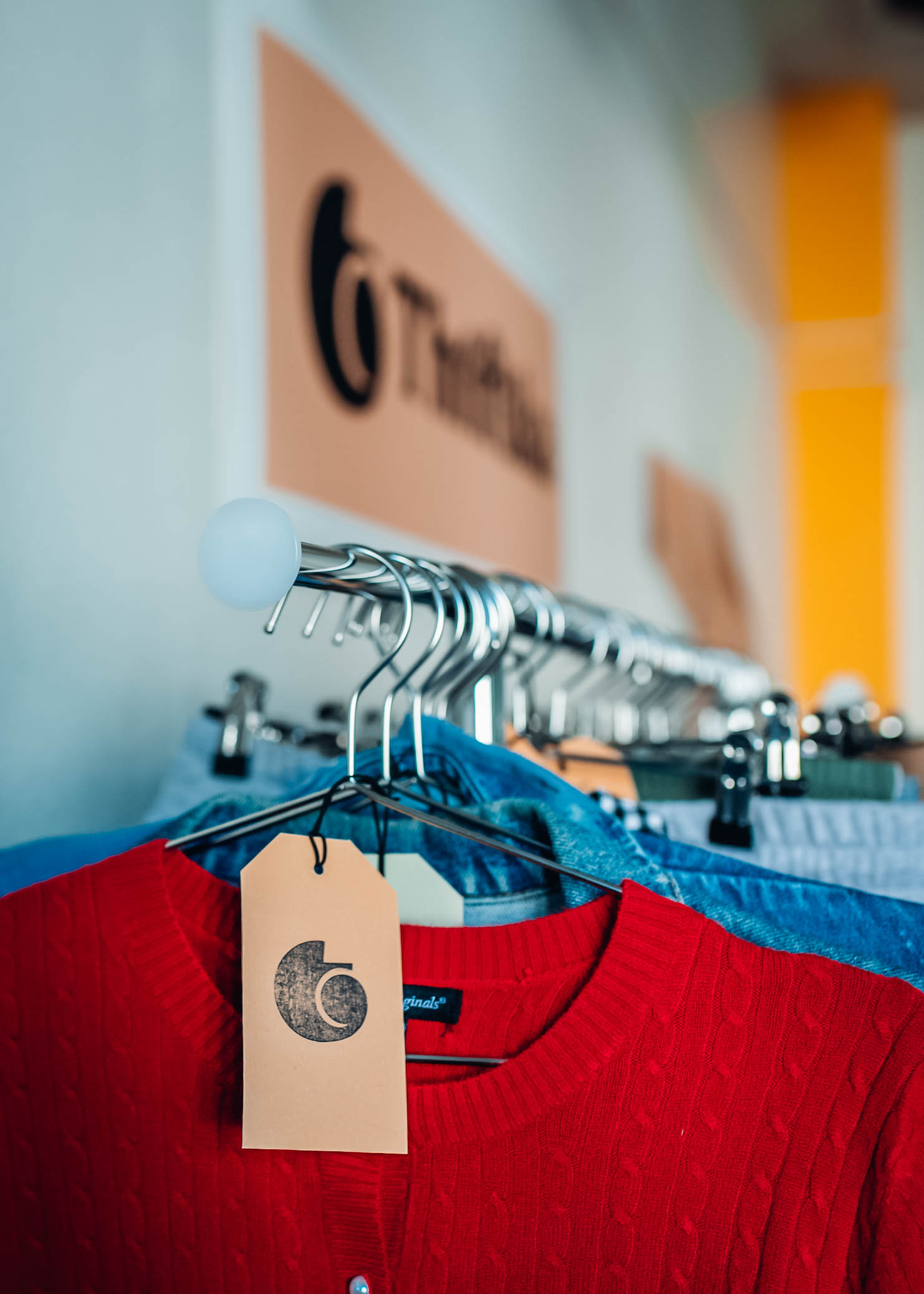
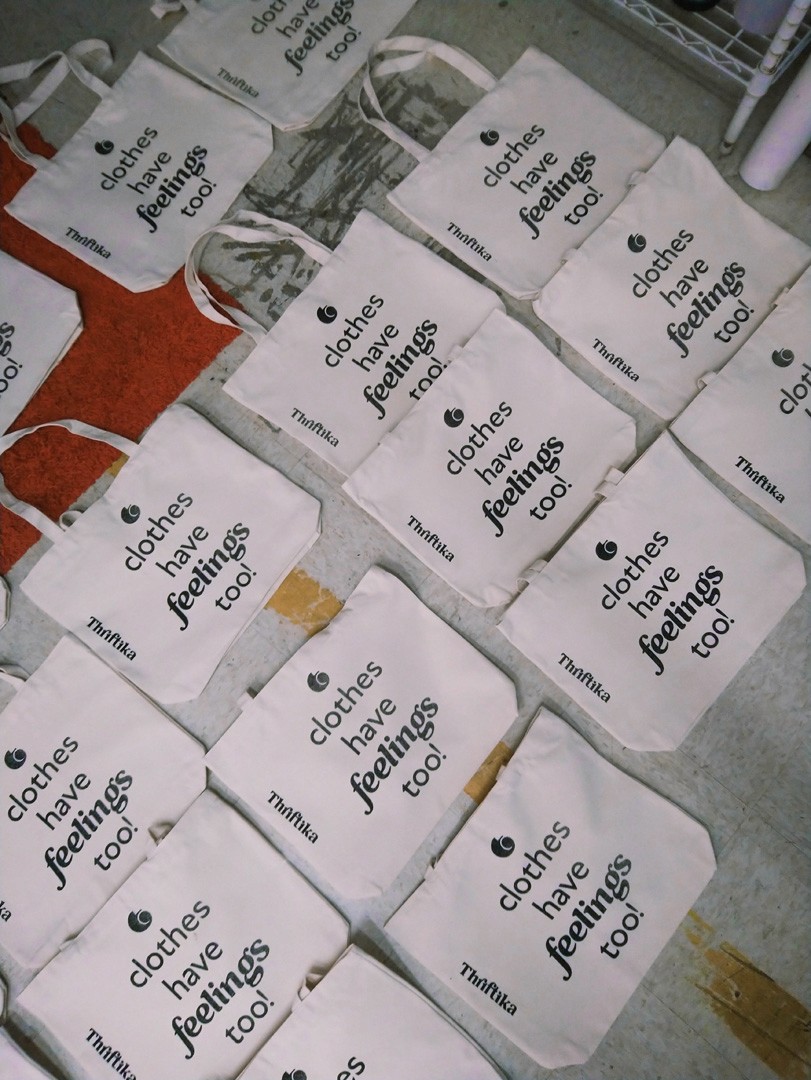
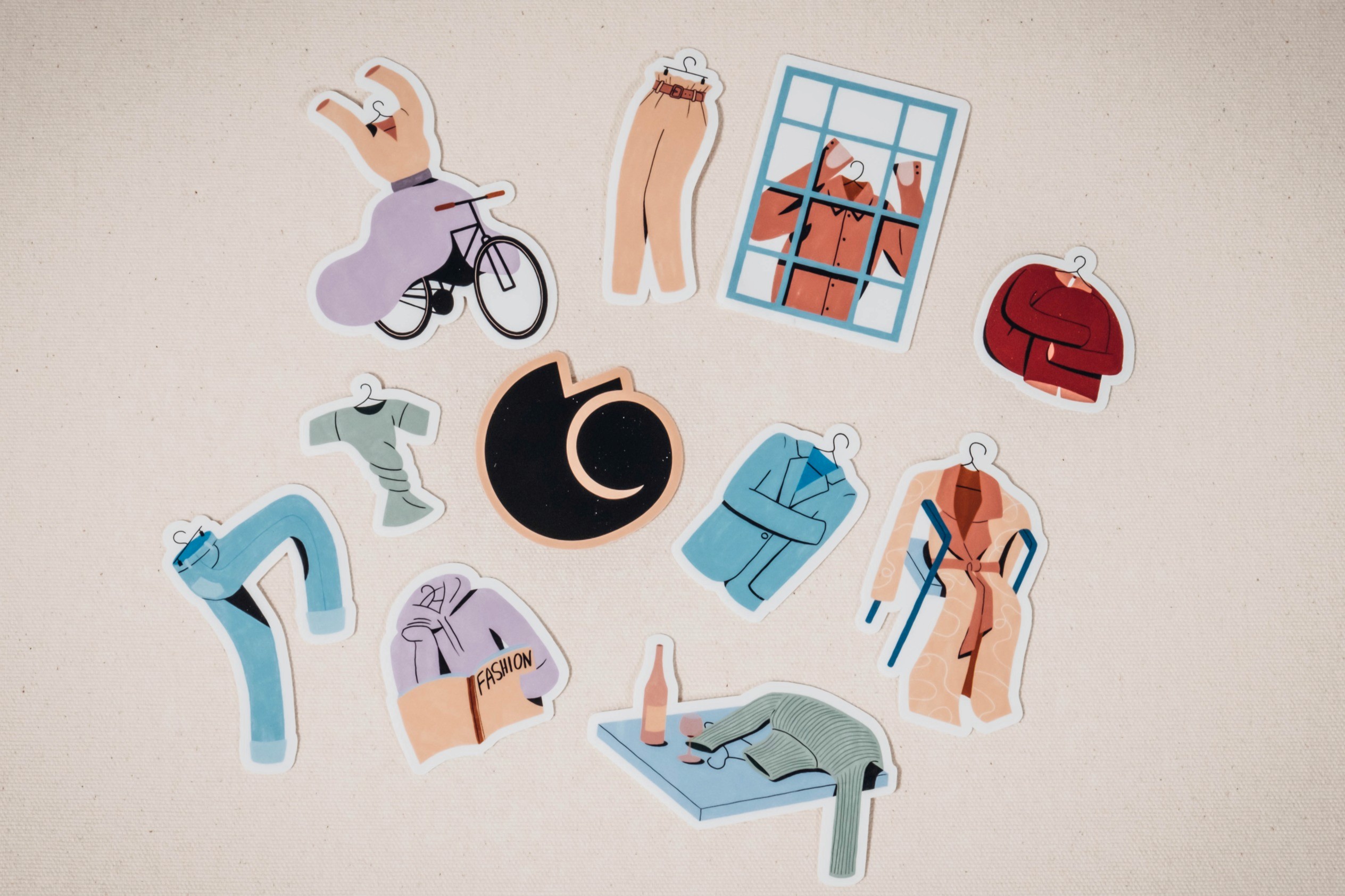
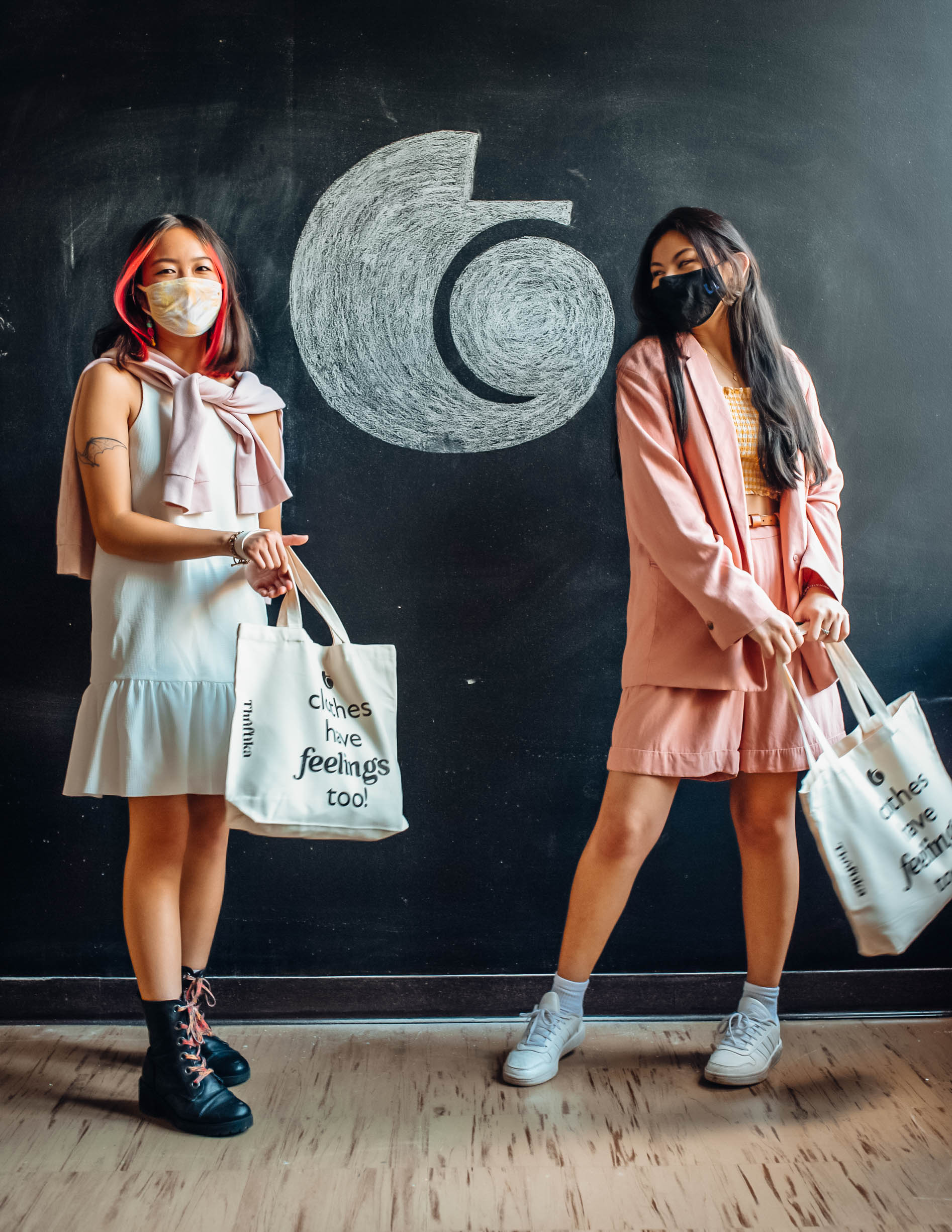
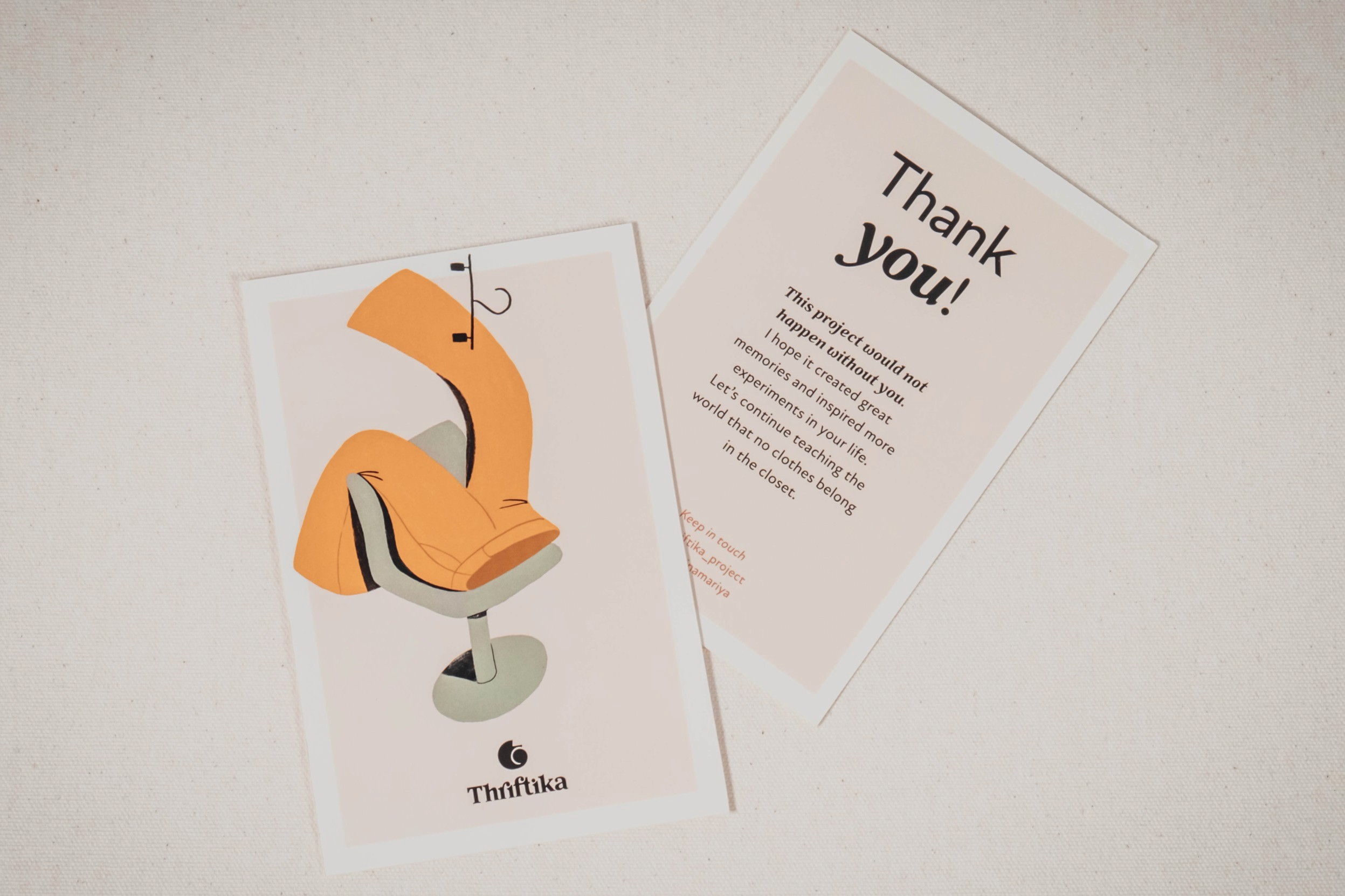
In the initial research stage, I decided to start developing the clothing library identity. The goal of identity design for the prototype was to present to potential participants a tangible concept, as well as to provide them with some extra memorable materials. The design problem of creating a brand for a clothing library was to inspire curiosity and trust toward a new kind of service. Therefore, the keywords for the brand became "playful, whimsical, and relatable". Here are the final elements

The prototype was named Thriftika. It is a unique combination of experiential (thrift) and invented (-ika) names. The second part of the name—ika—is derived from the Latin word “biblioteka” which means “library” in English. The name “Thriftika” represents the experience of thrifting, since the clothing library is offering second-hand clothes, and points towards the library concept.
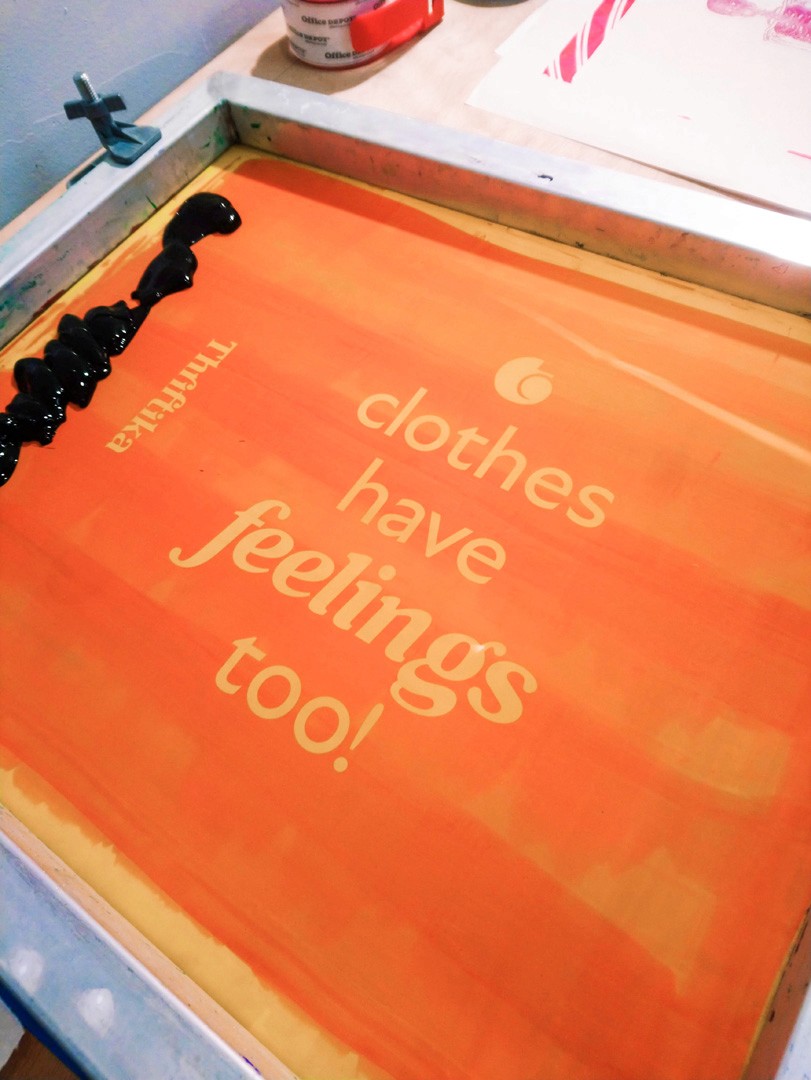
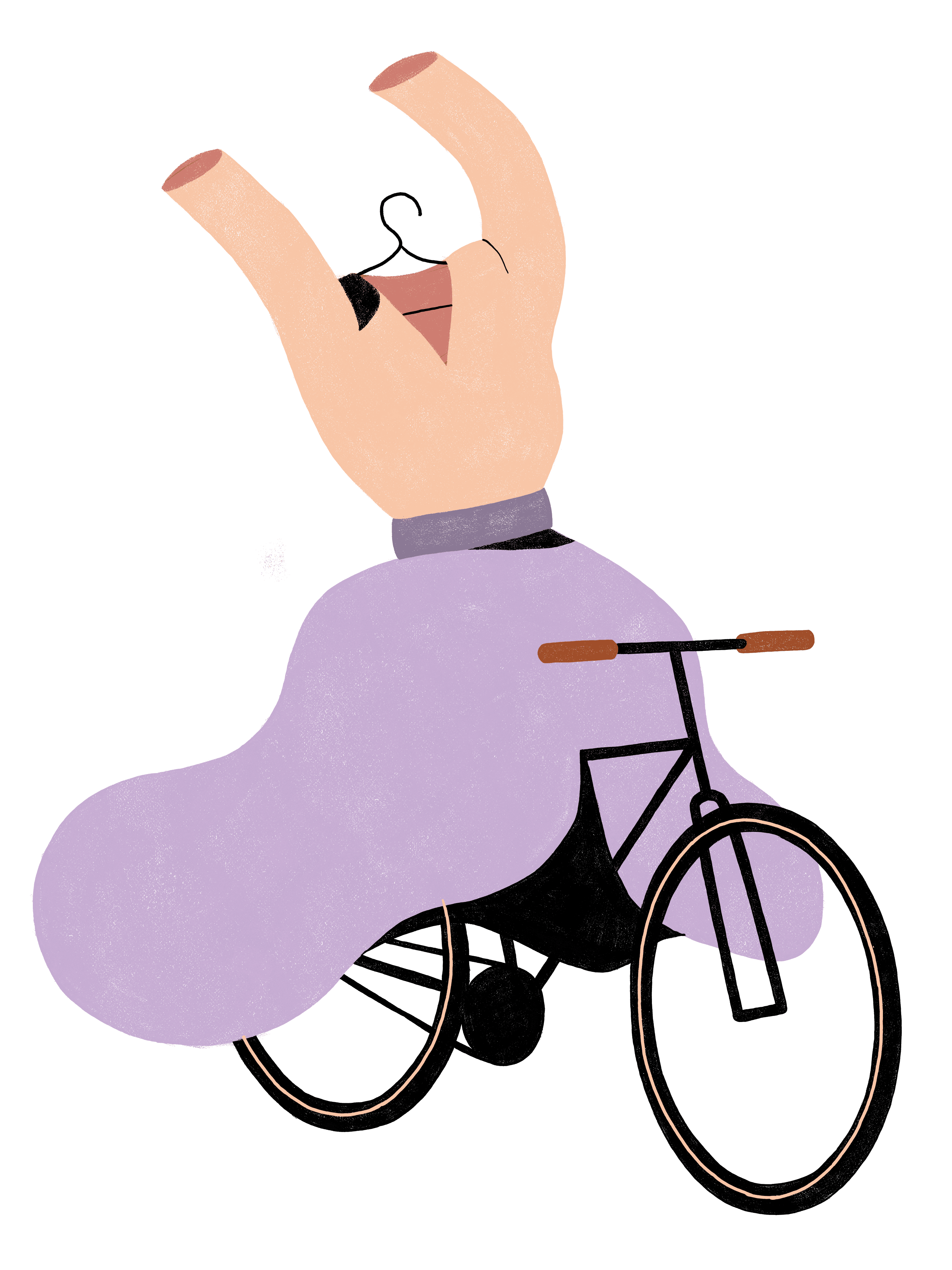
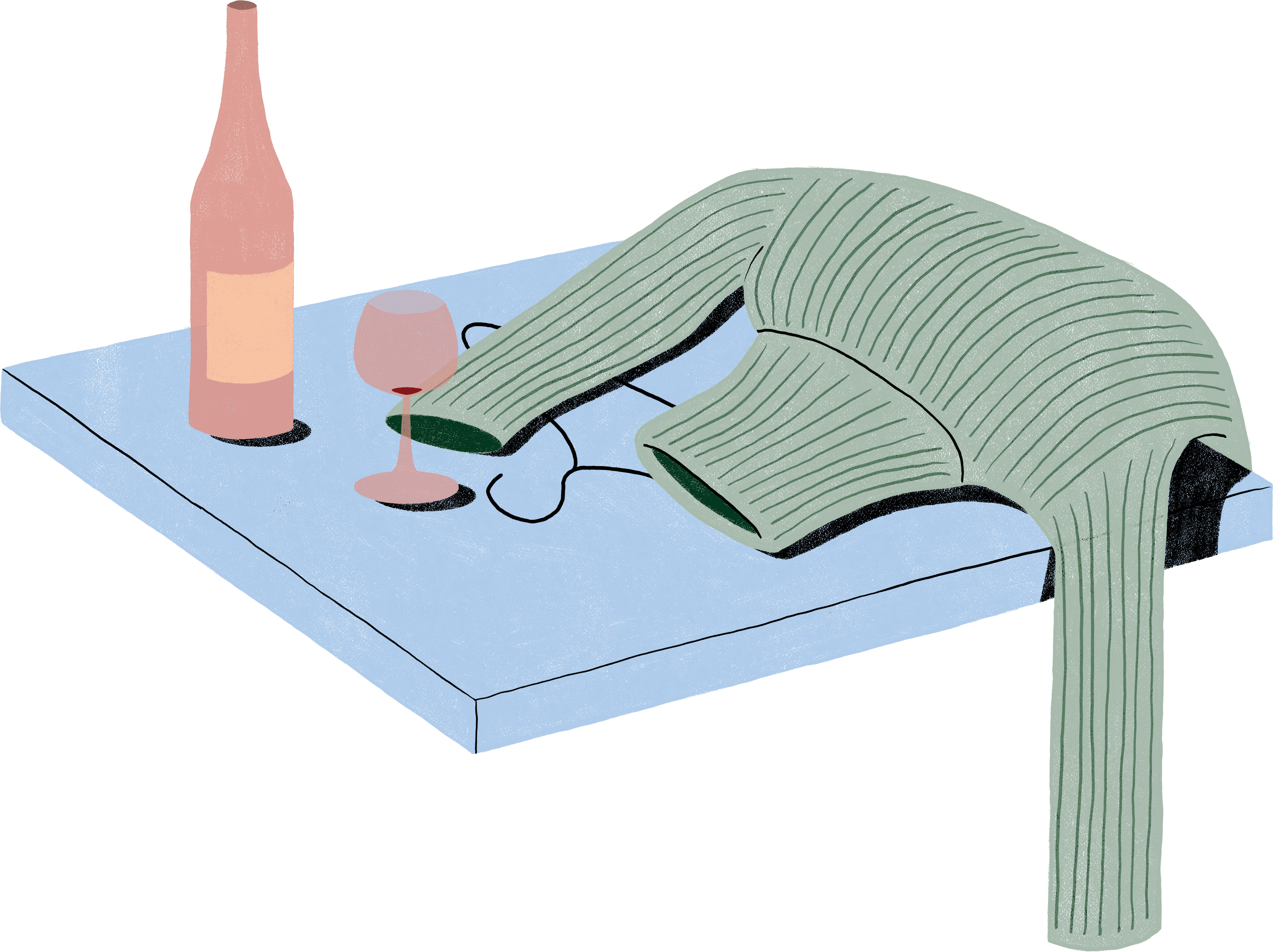
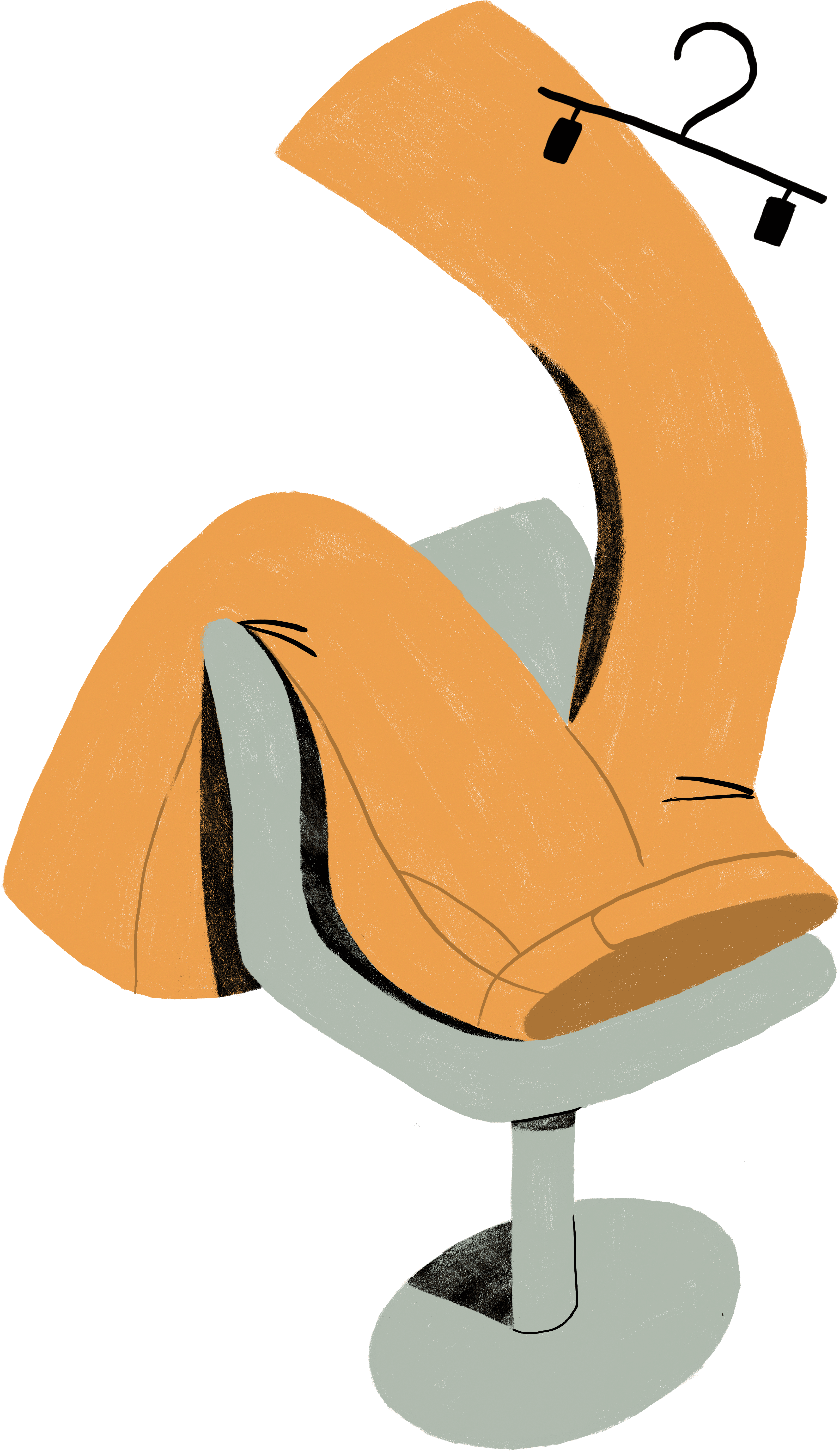
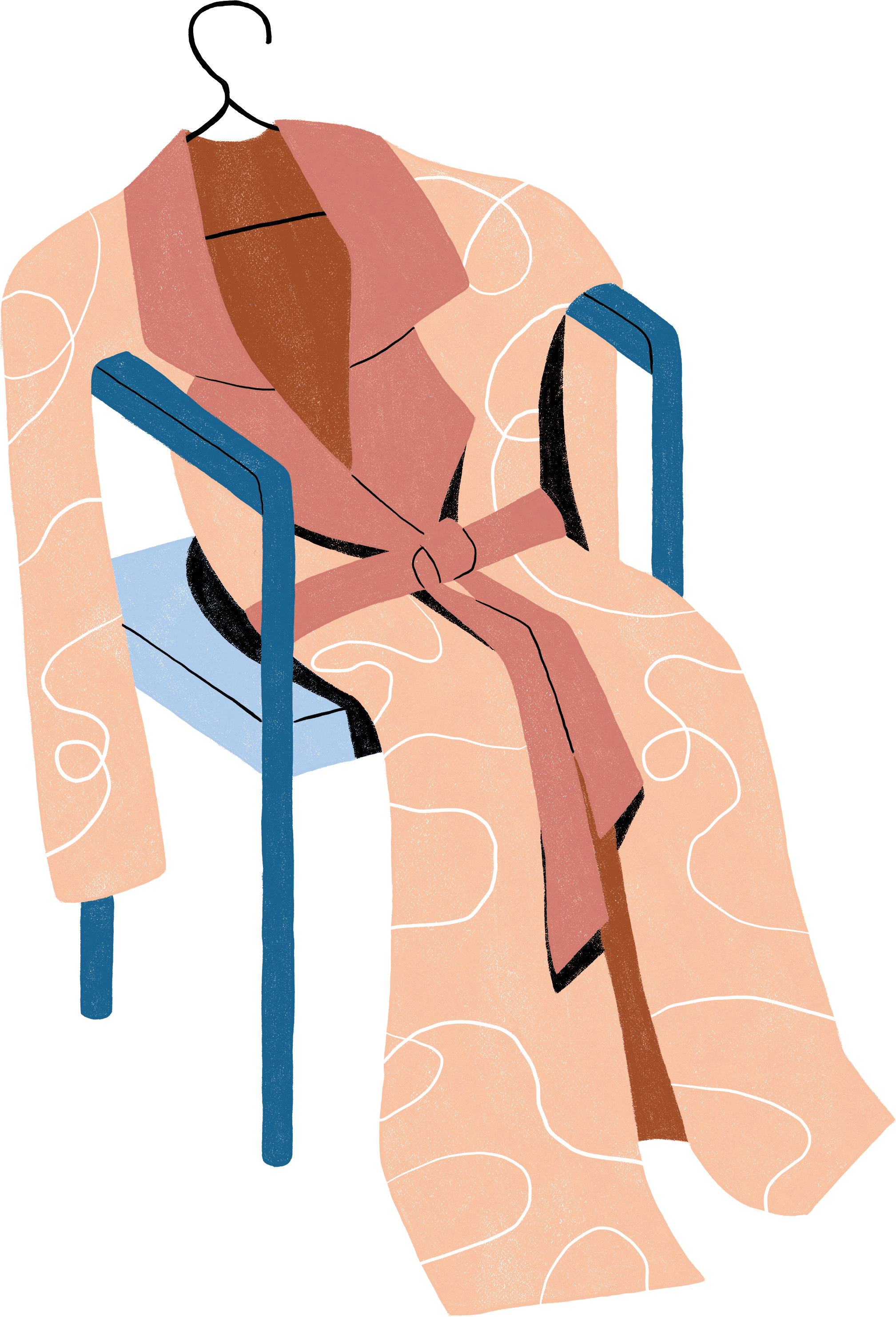
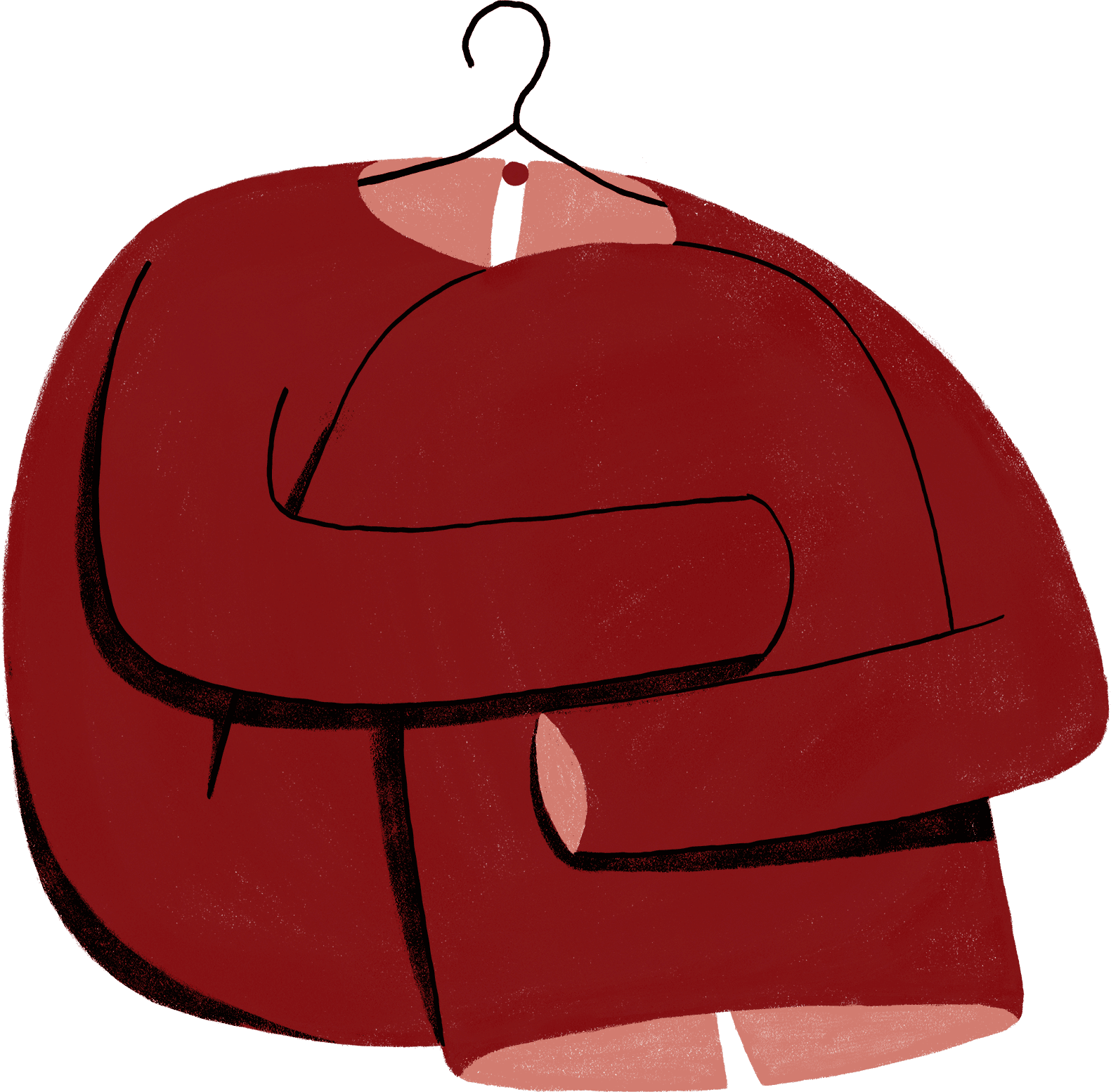
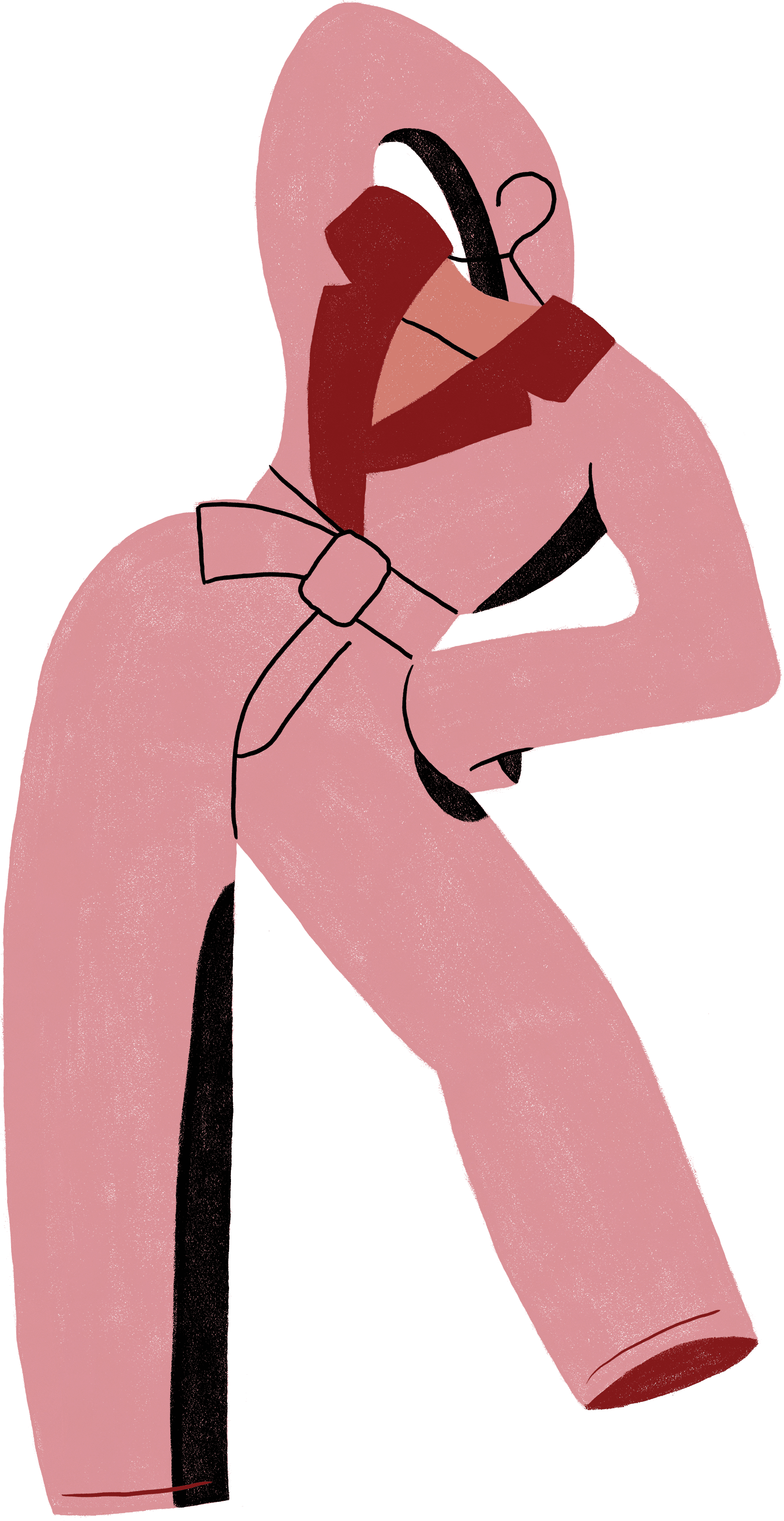
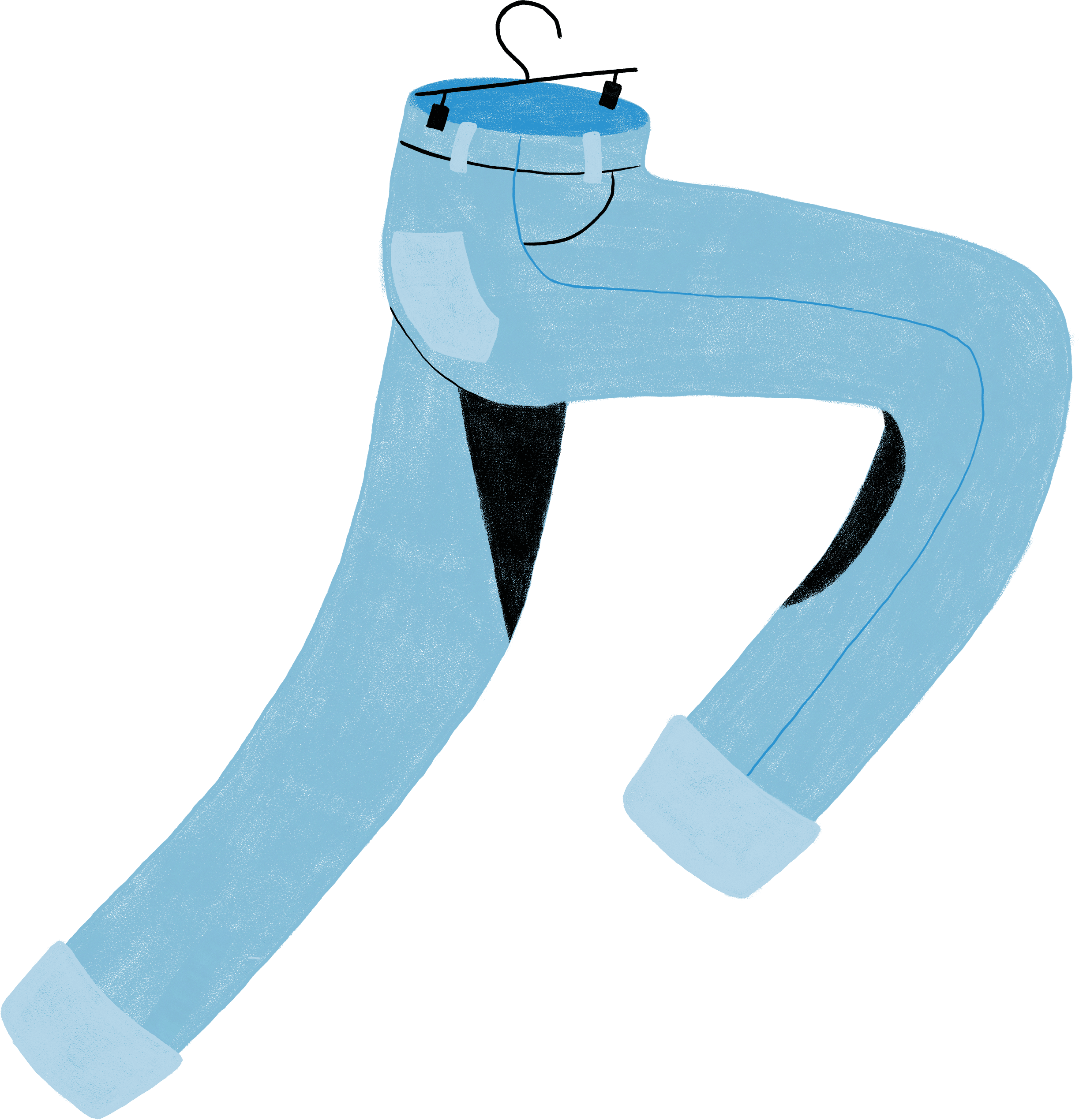
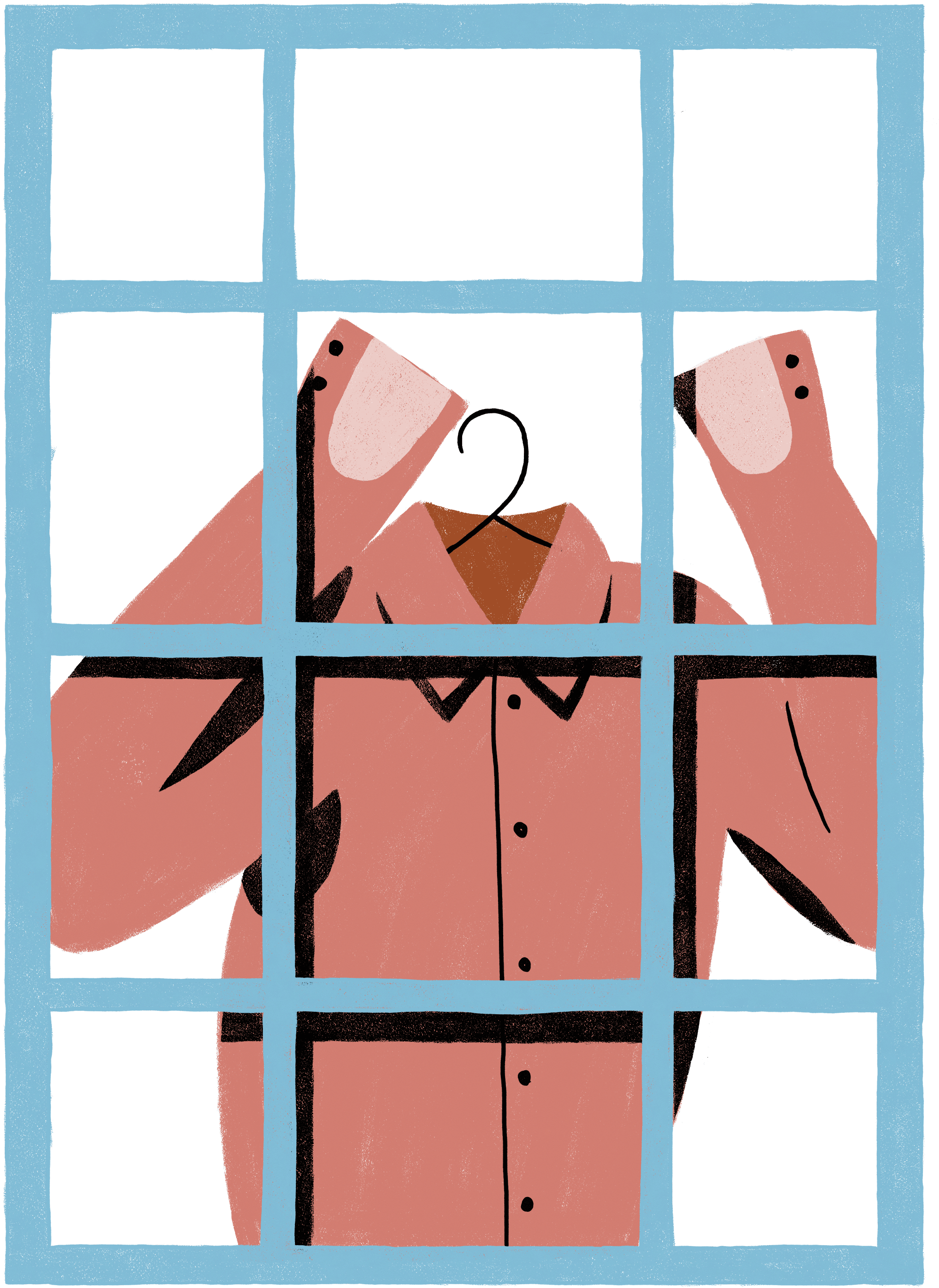
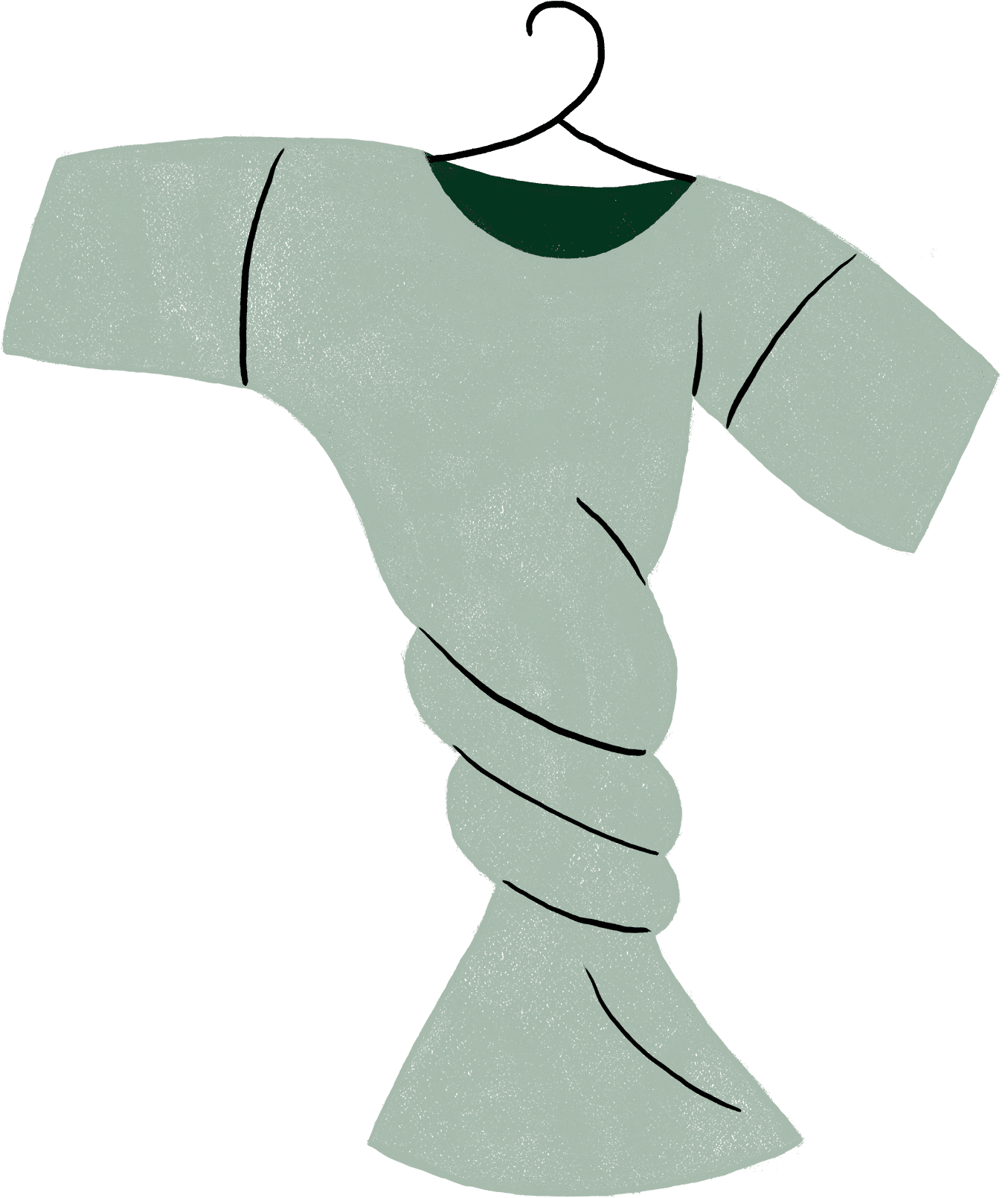
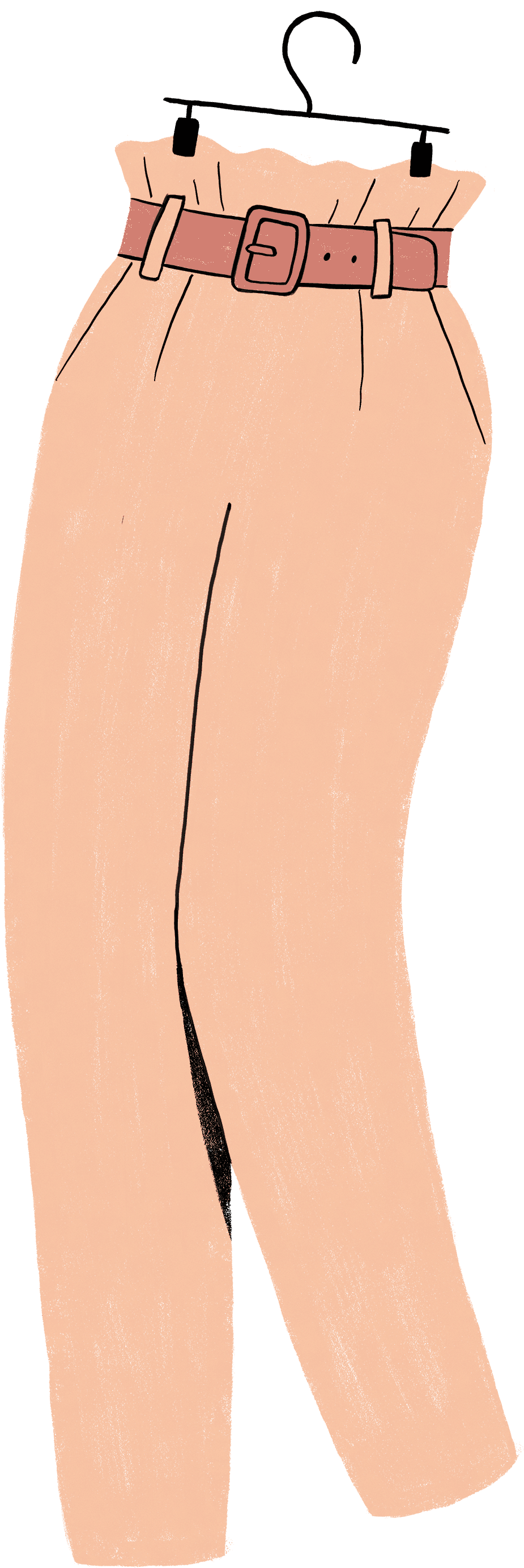
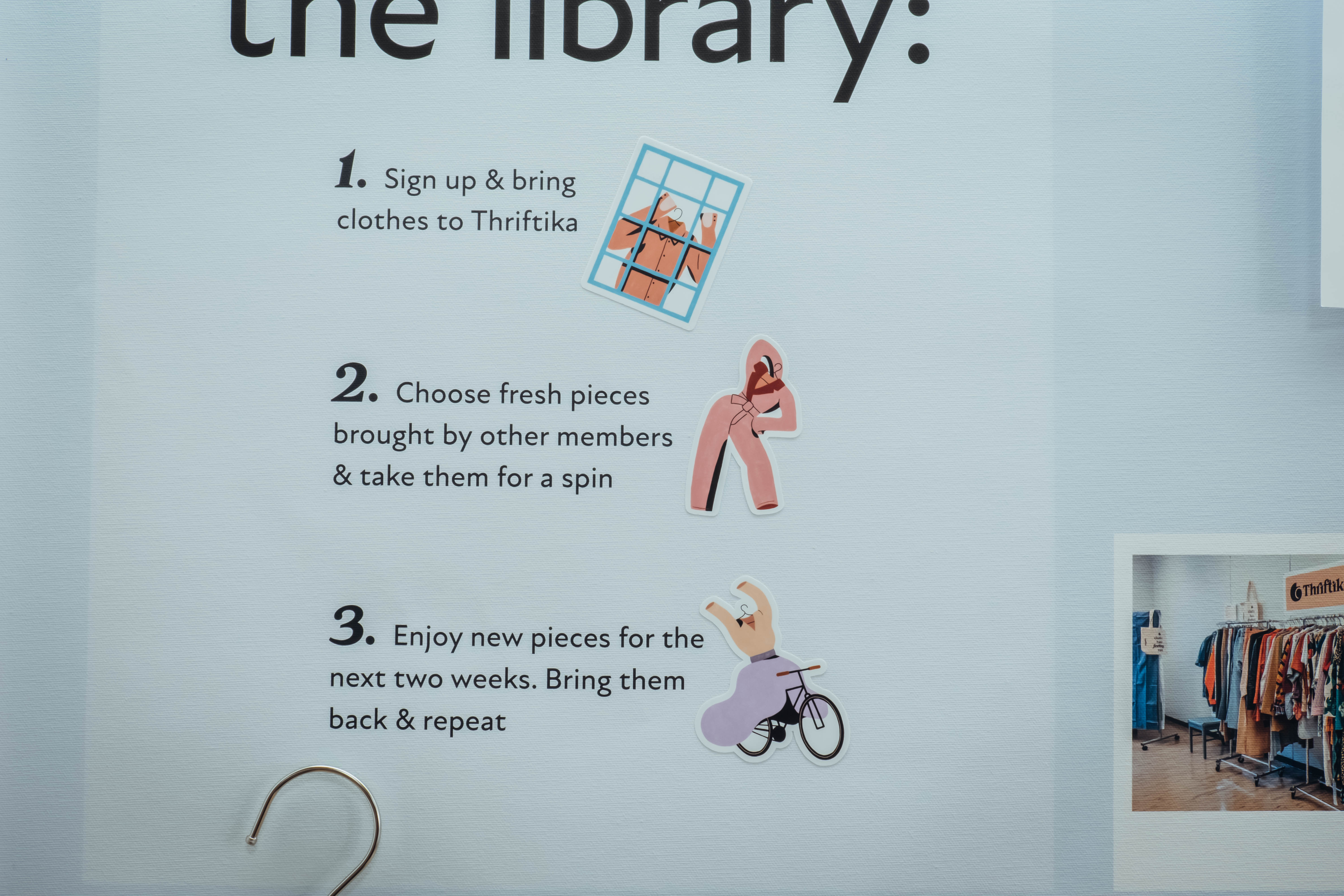
In addition, the brand uses illustrations that show different items of clothing as alive and expressing their emotions with their body language.

User Testing
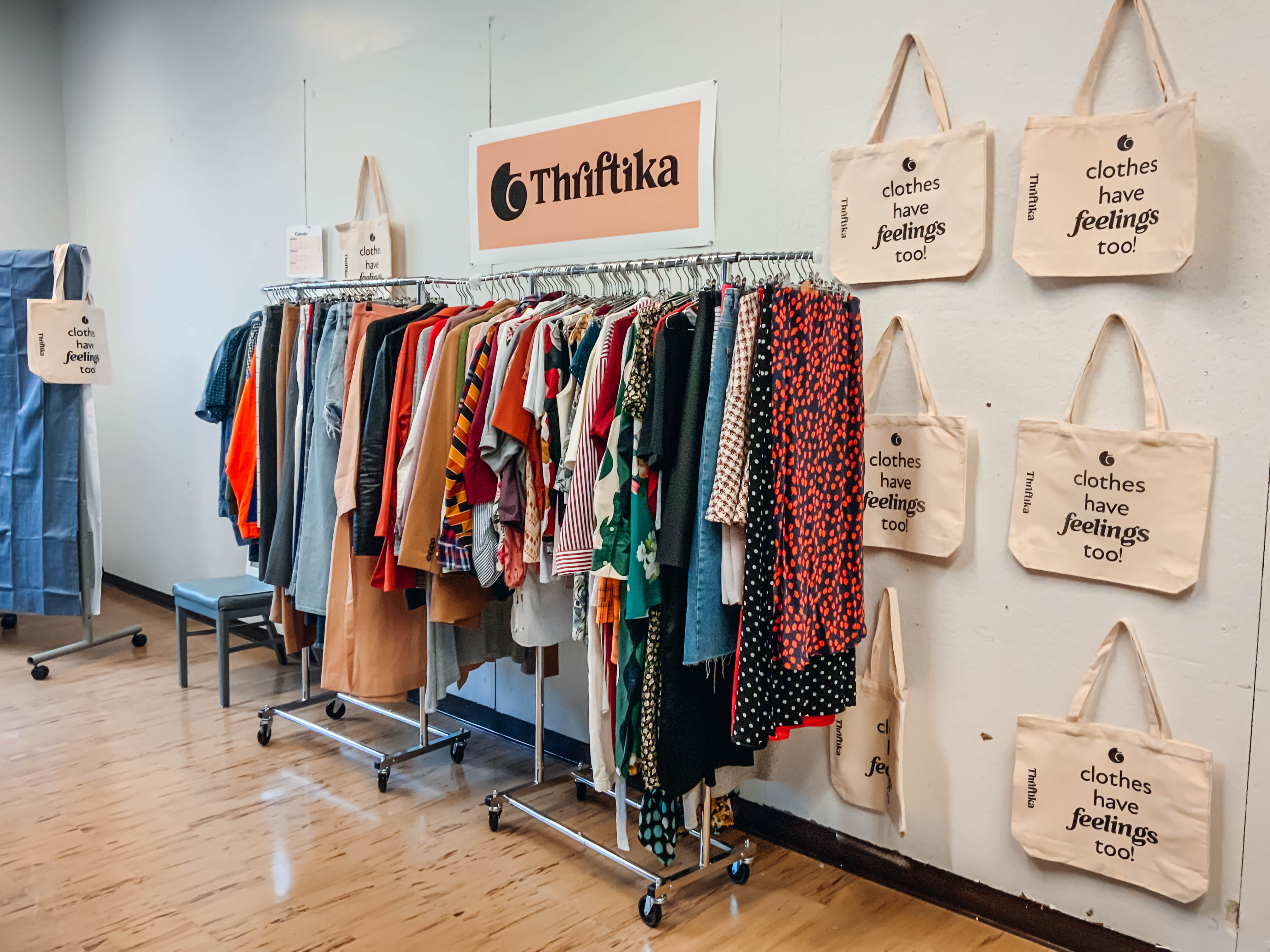
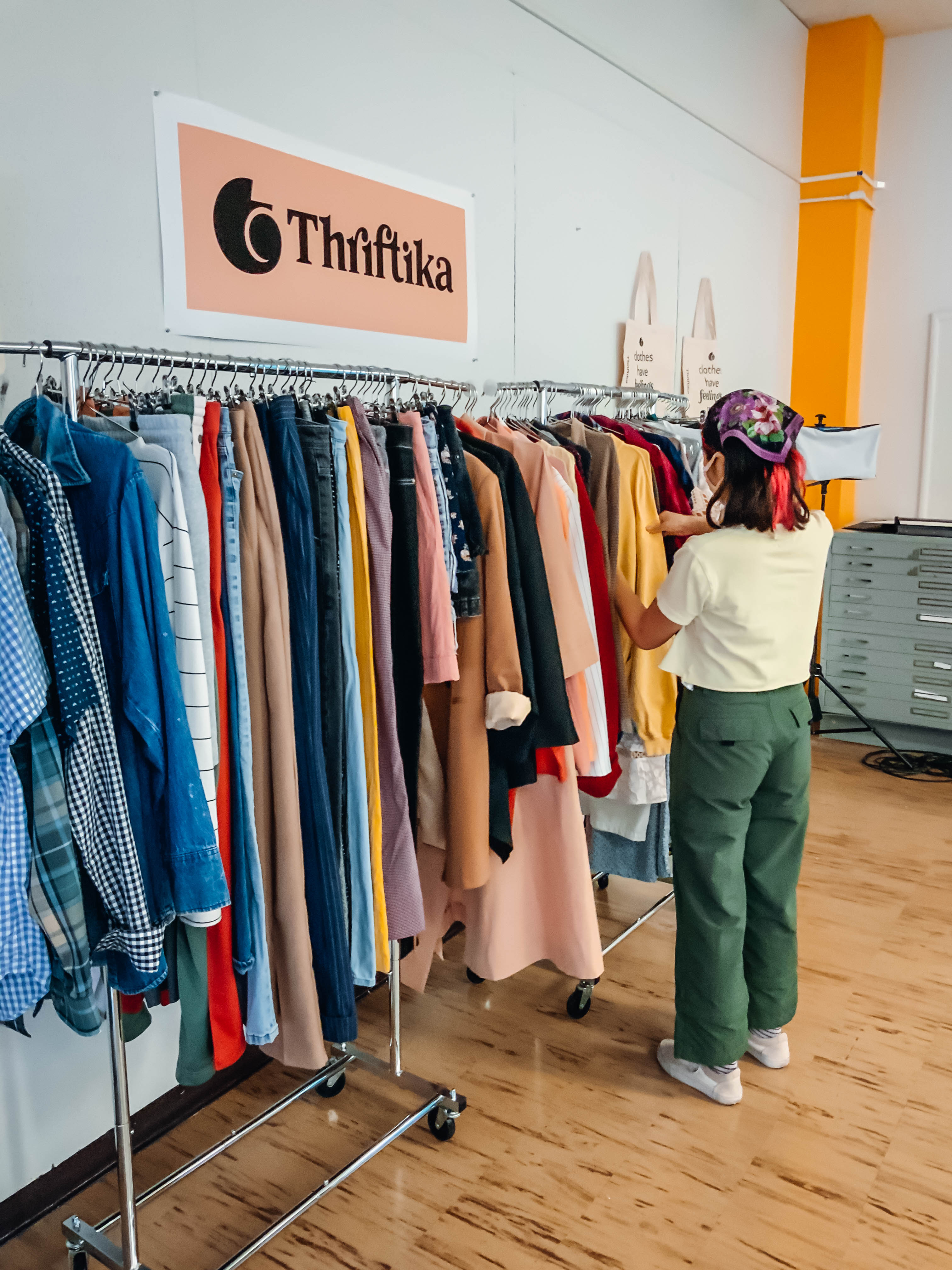
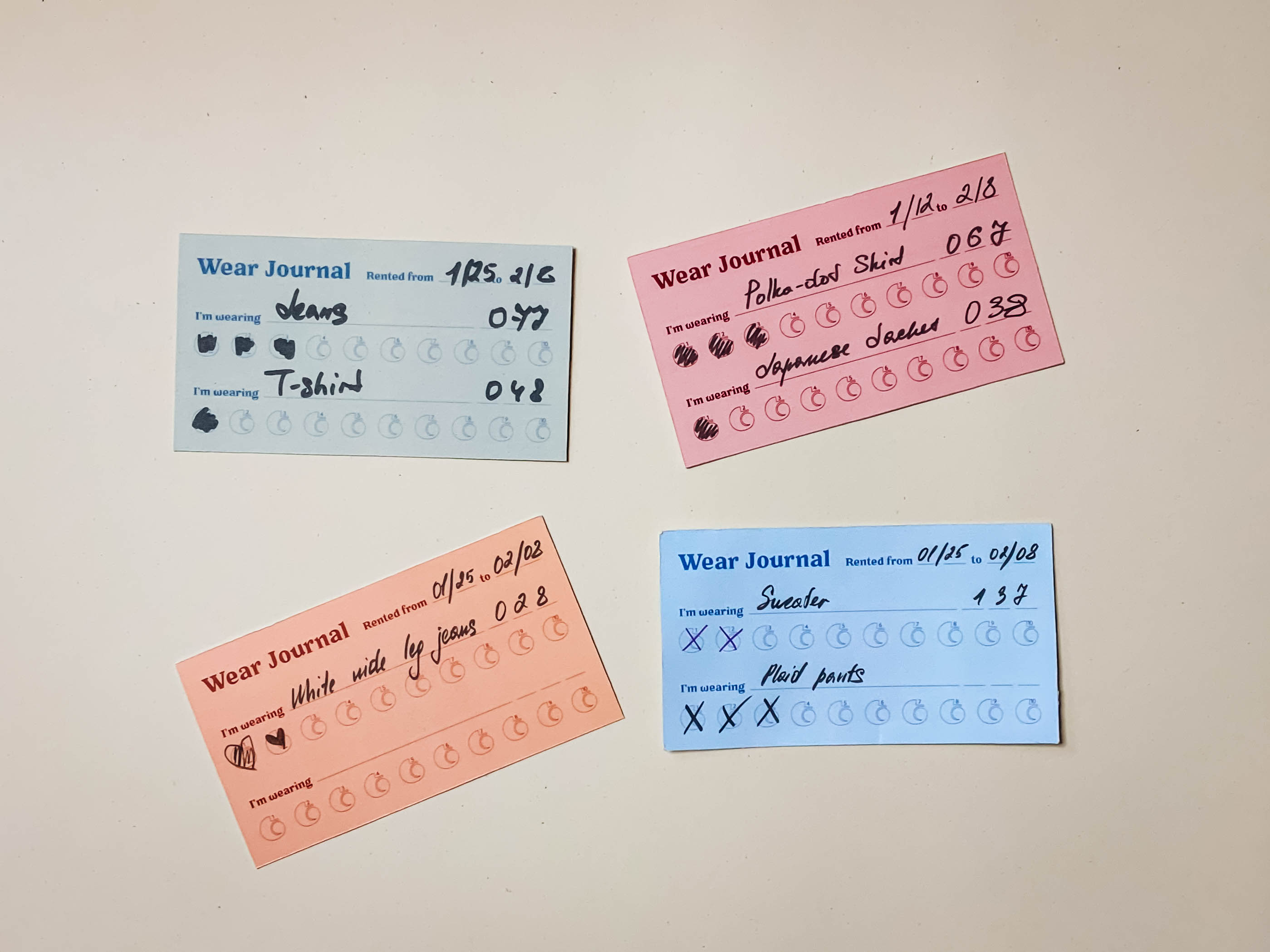
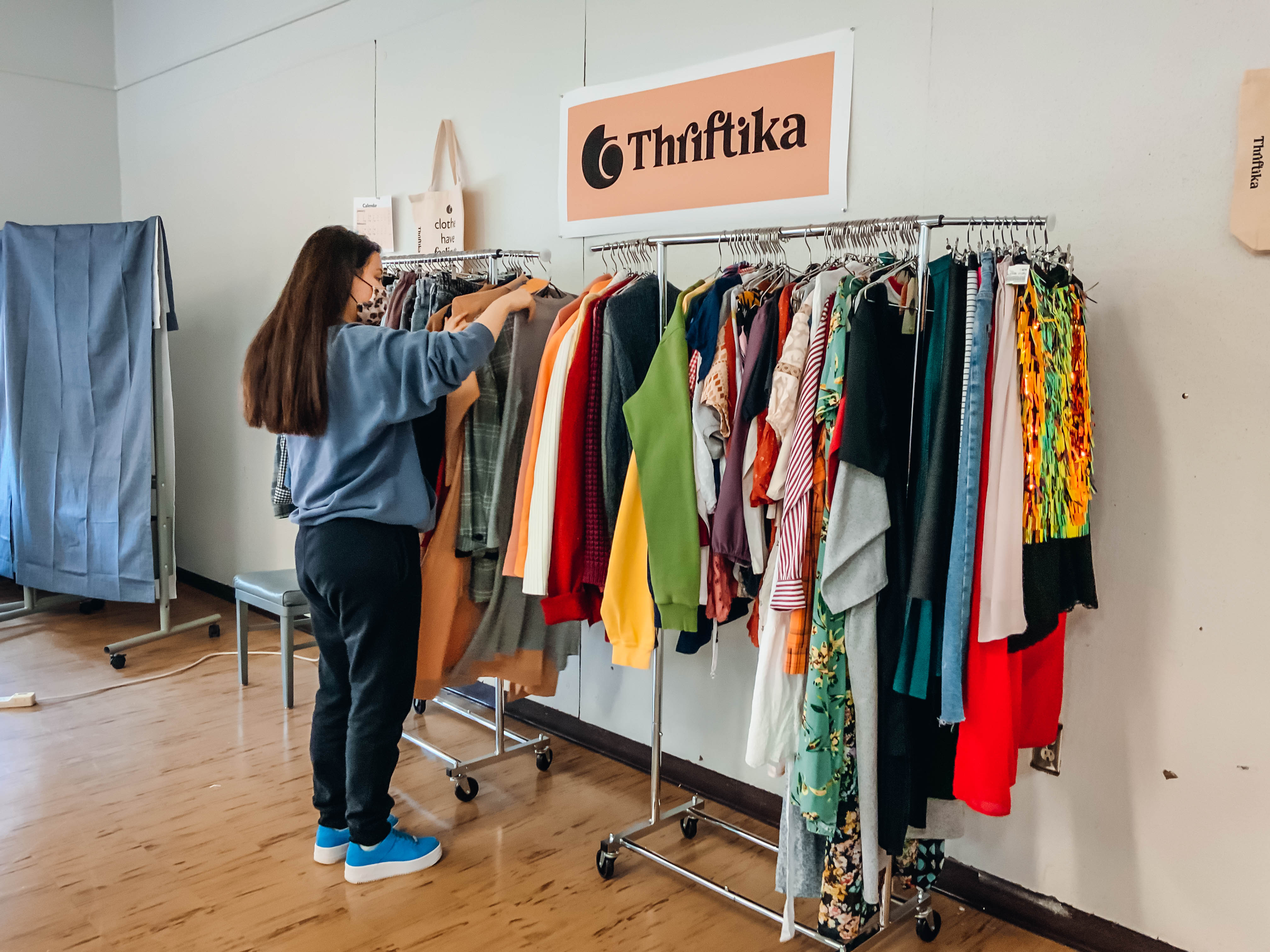
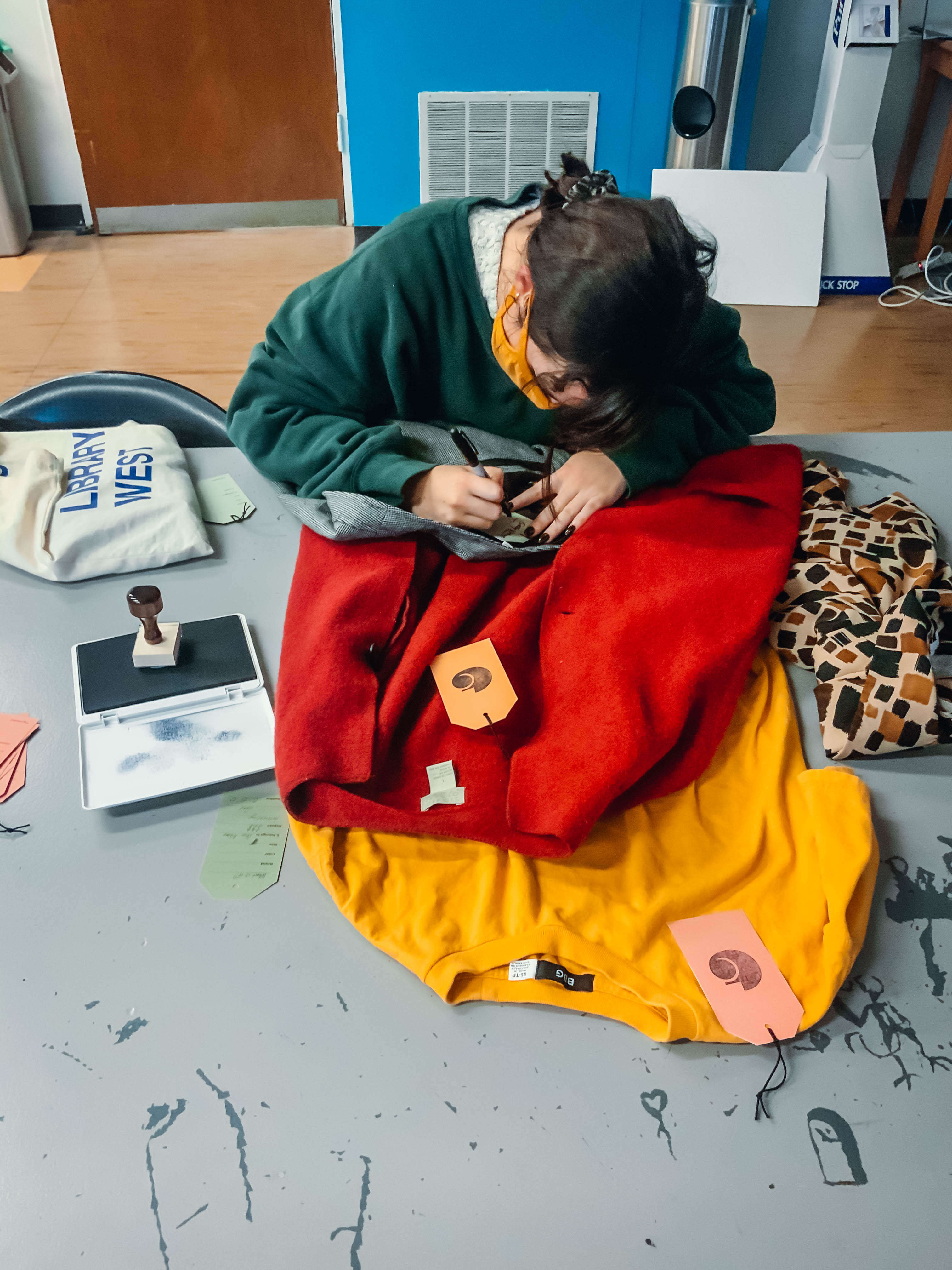
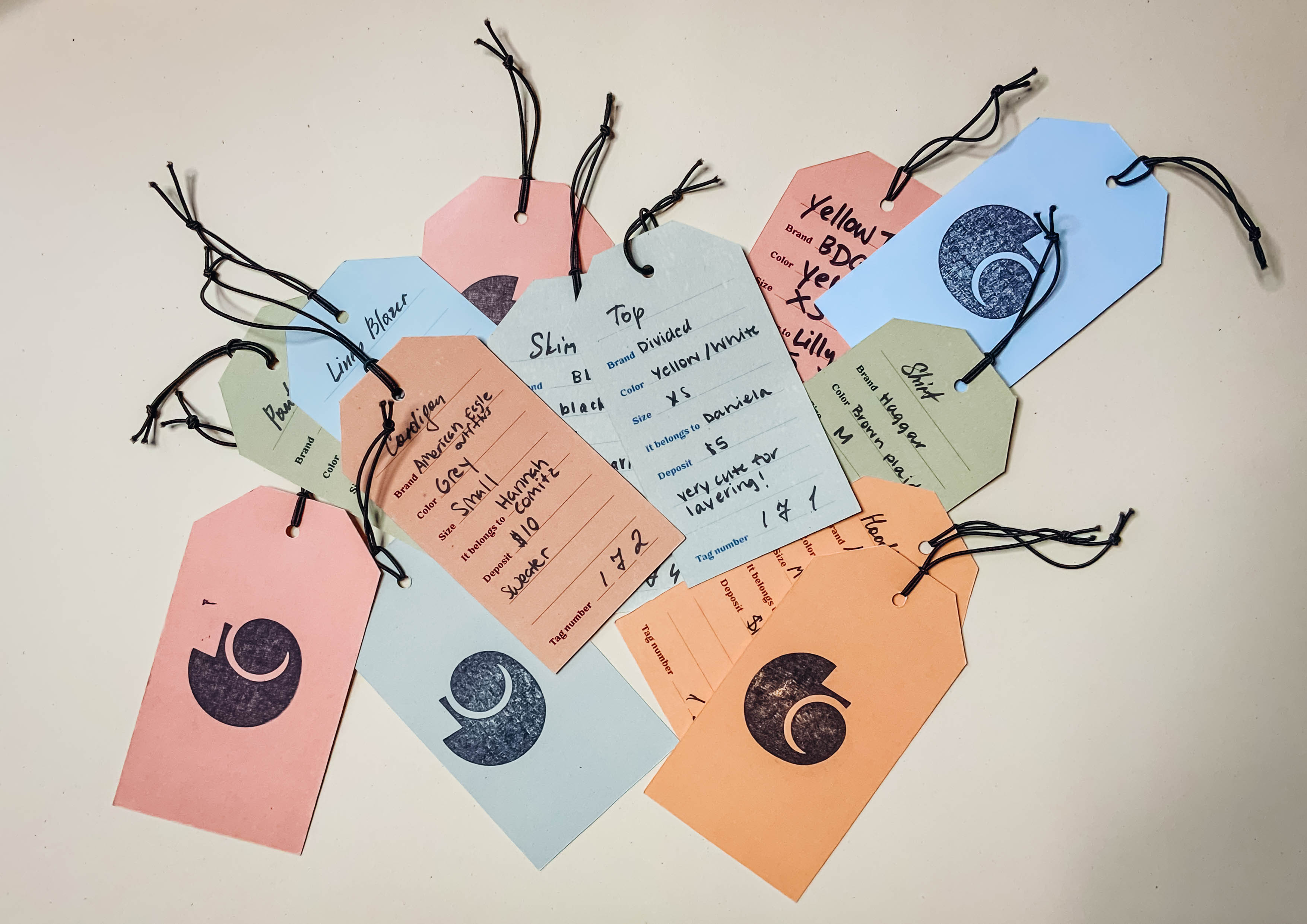
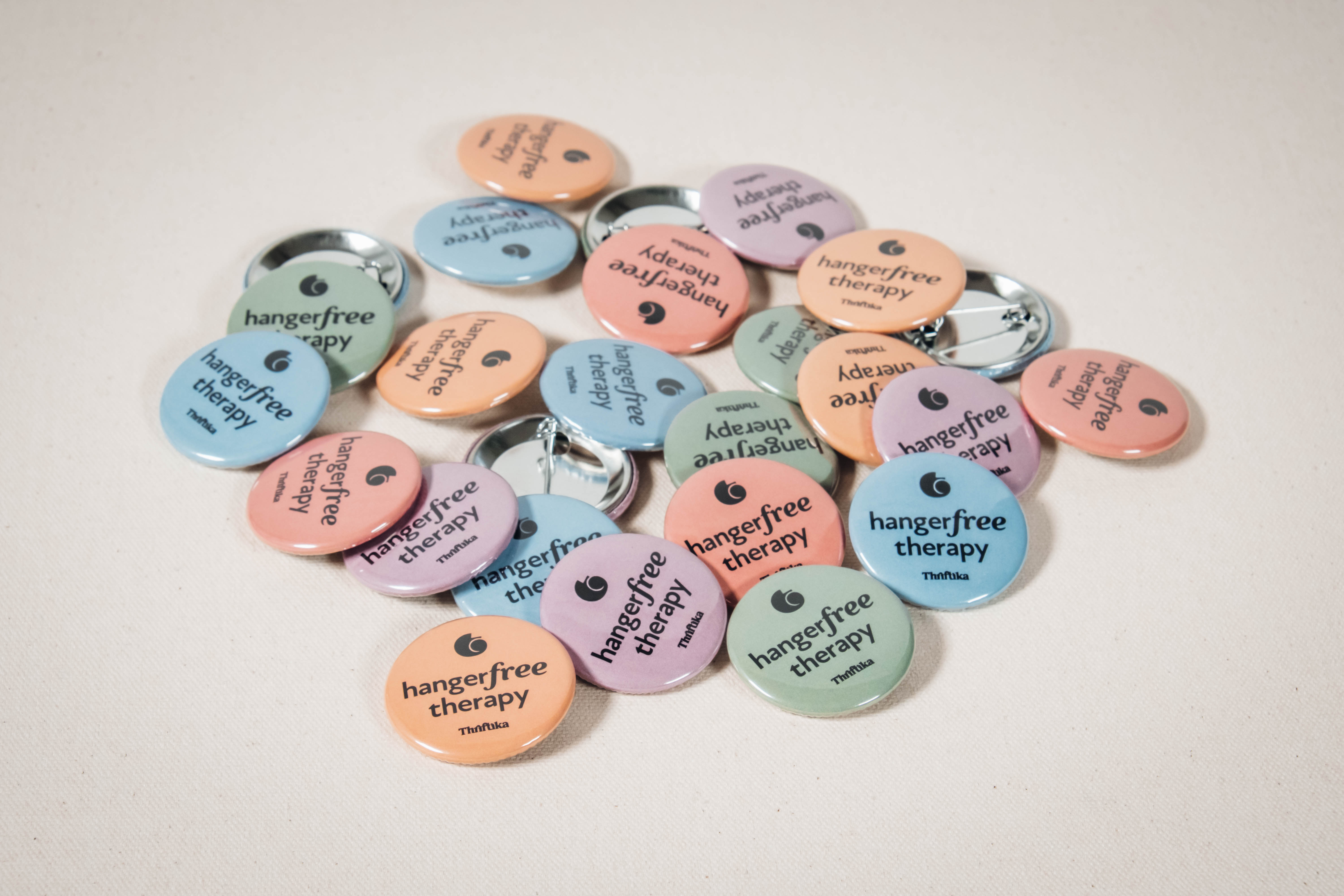
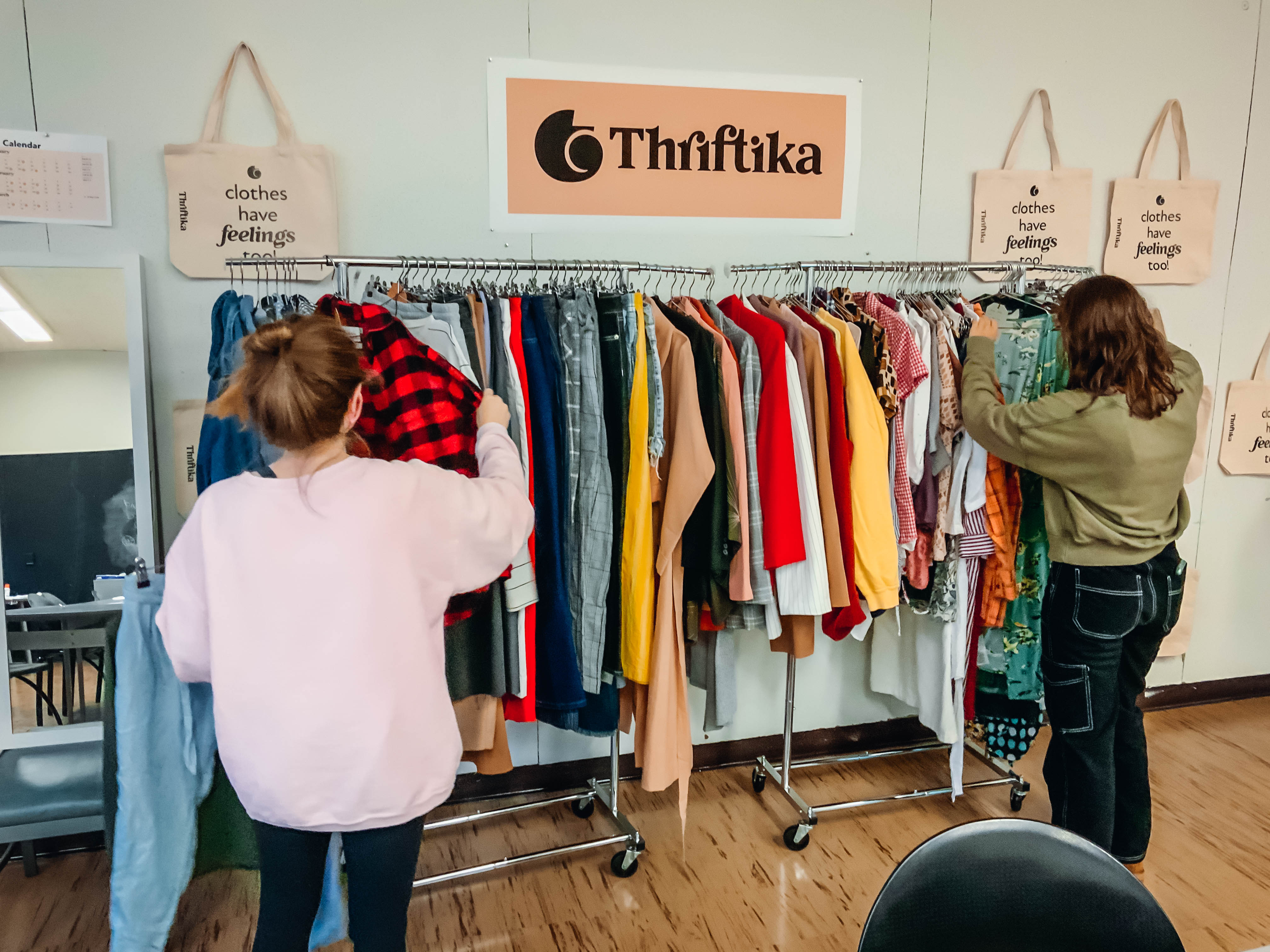
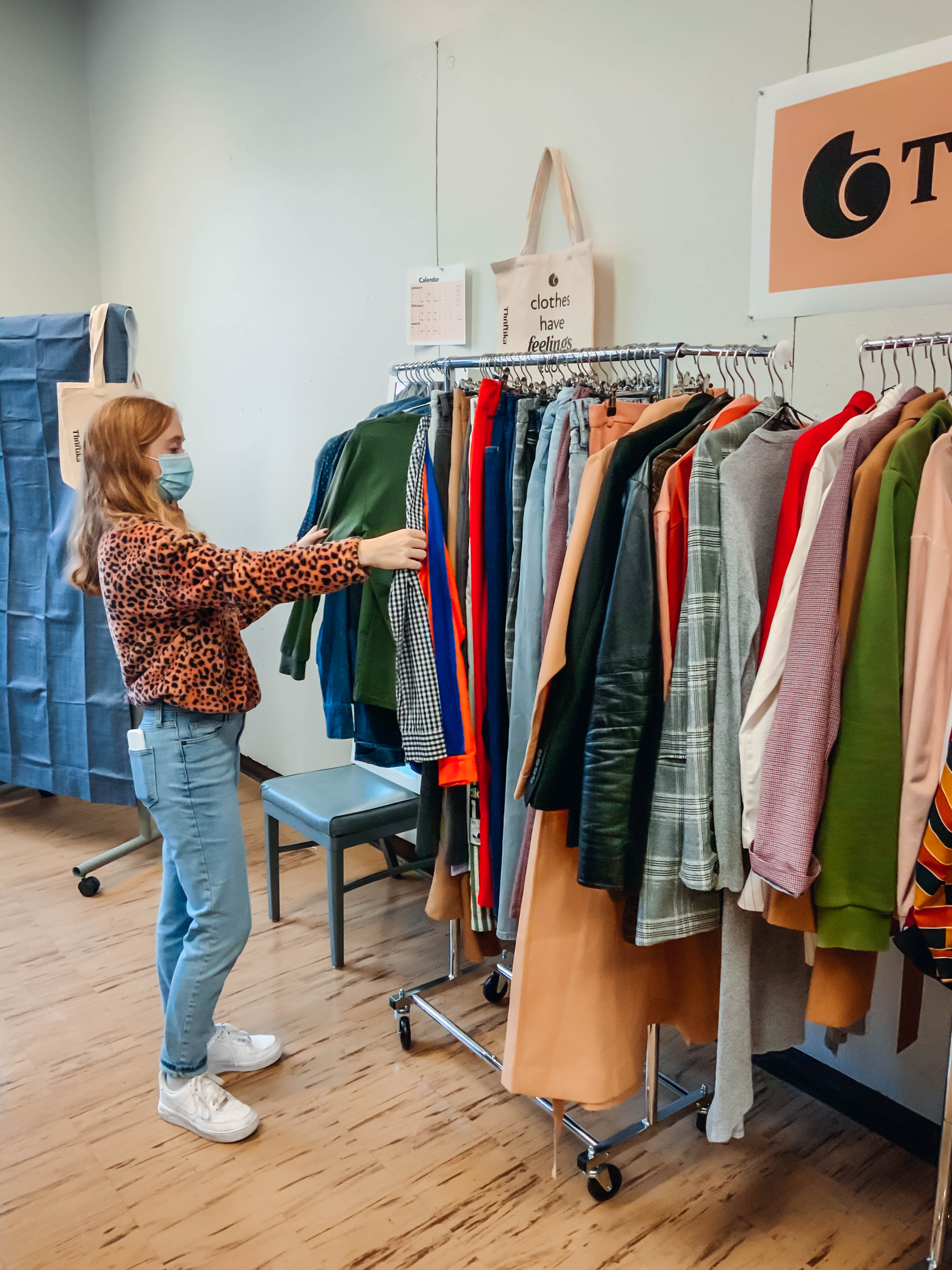
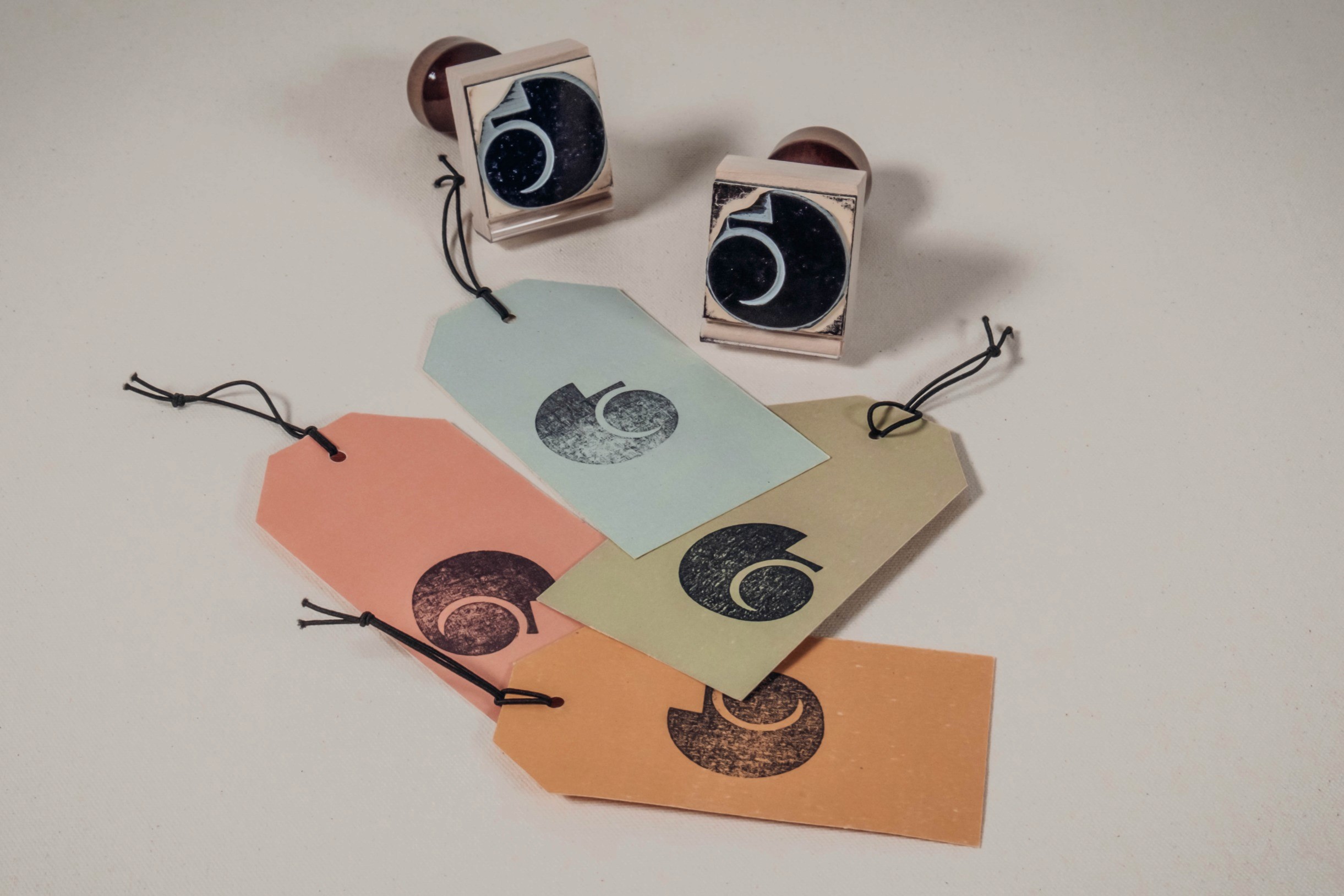
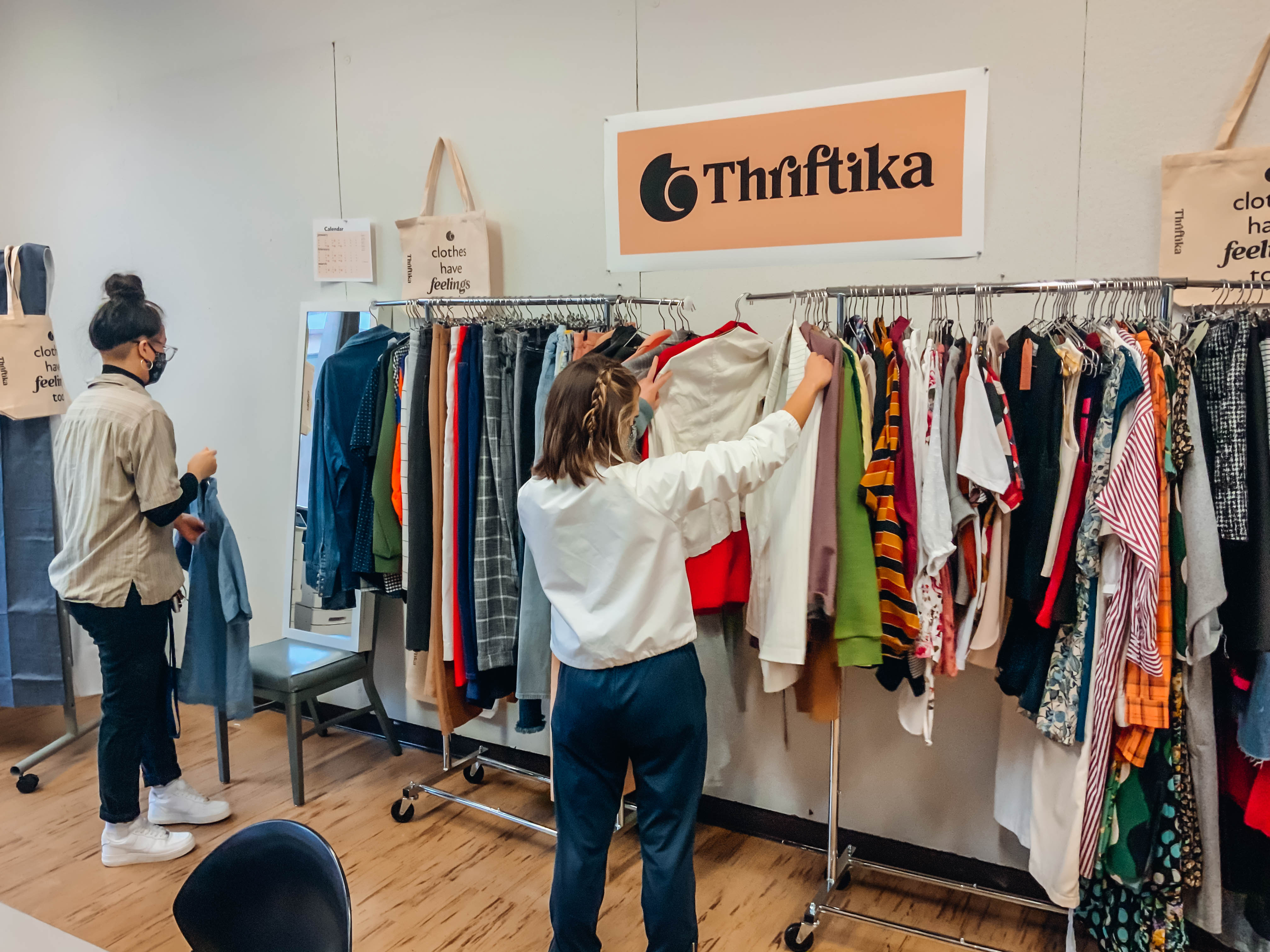
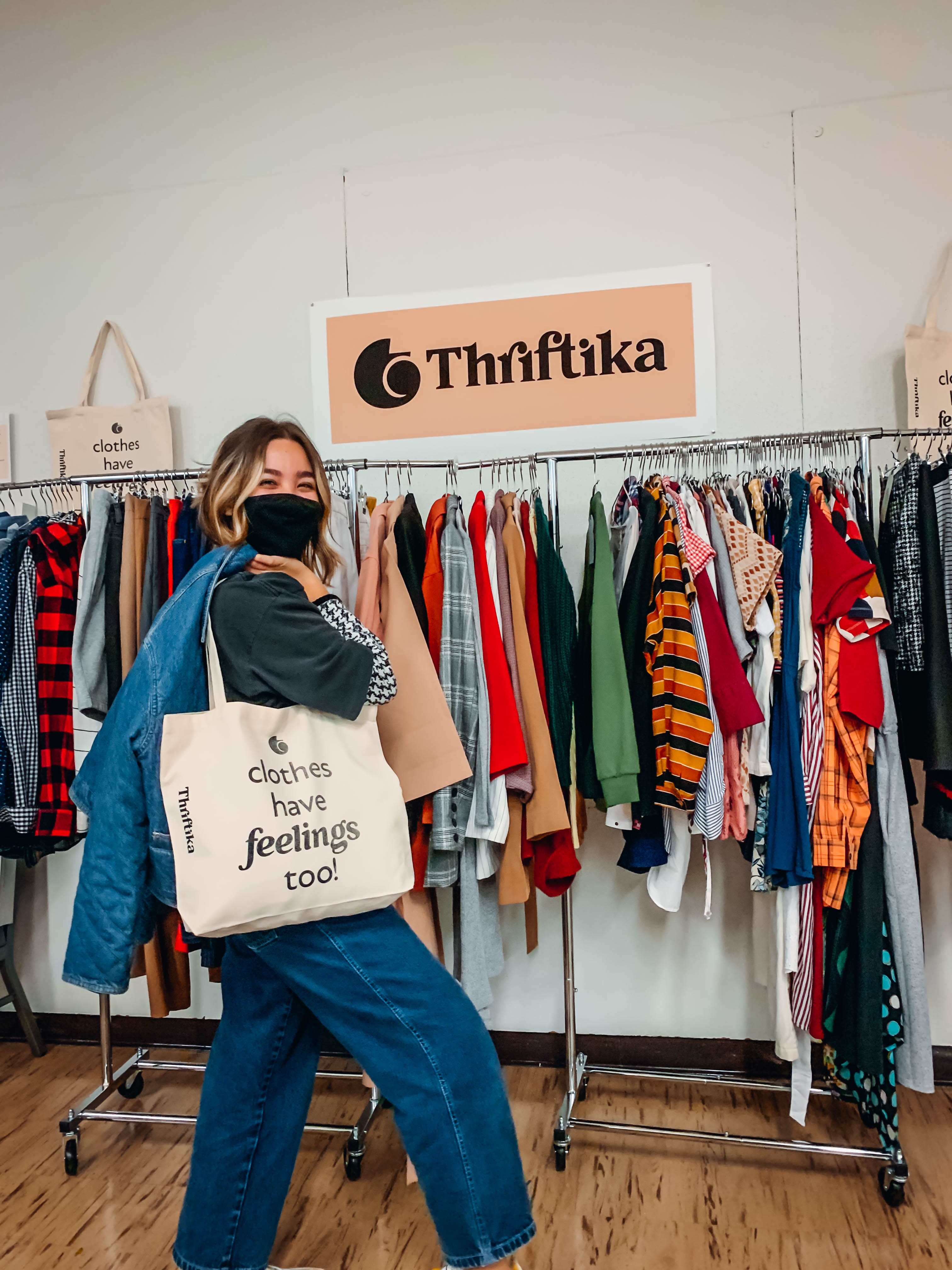
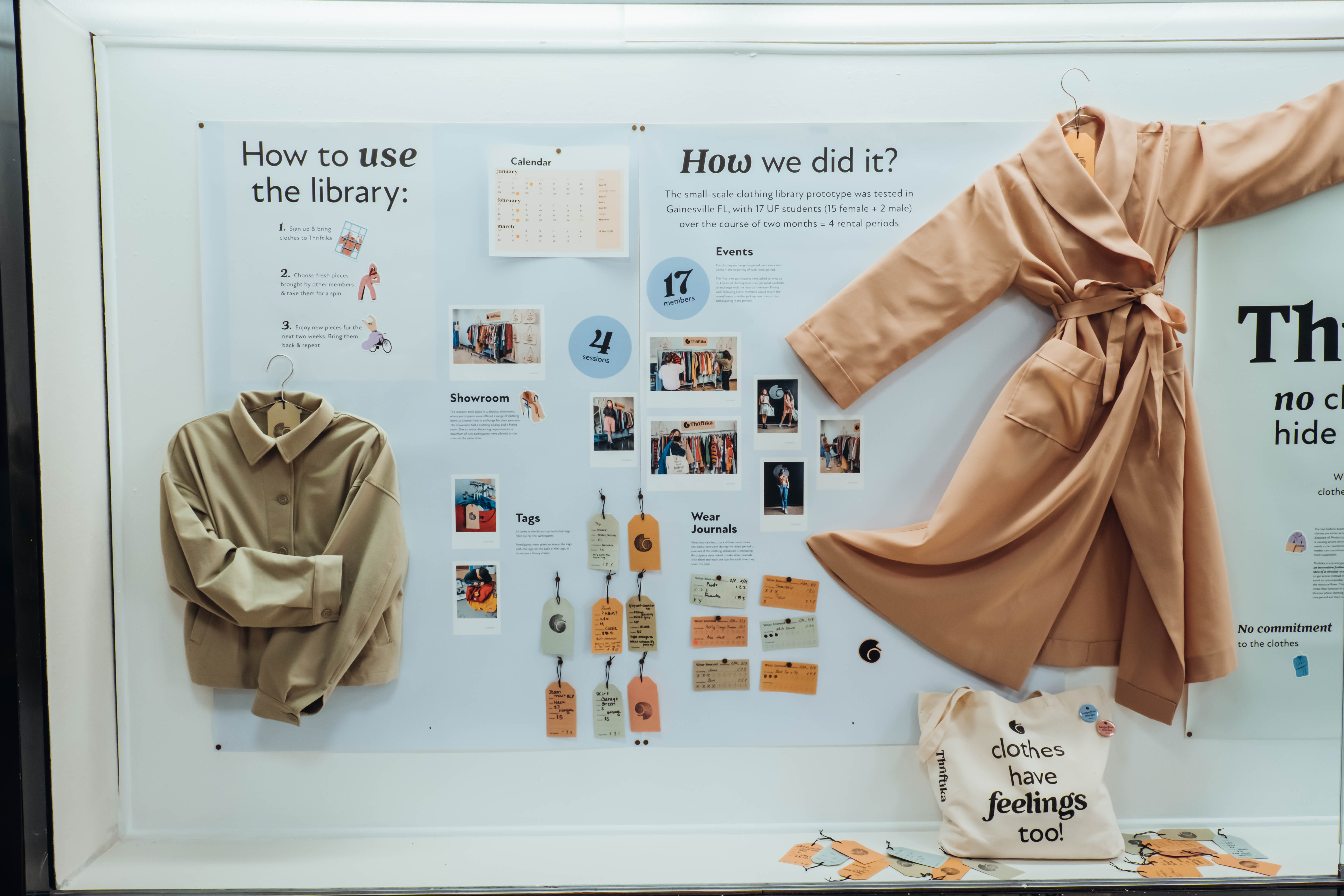
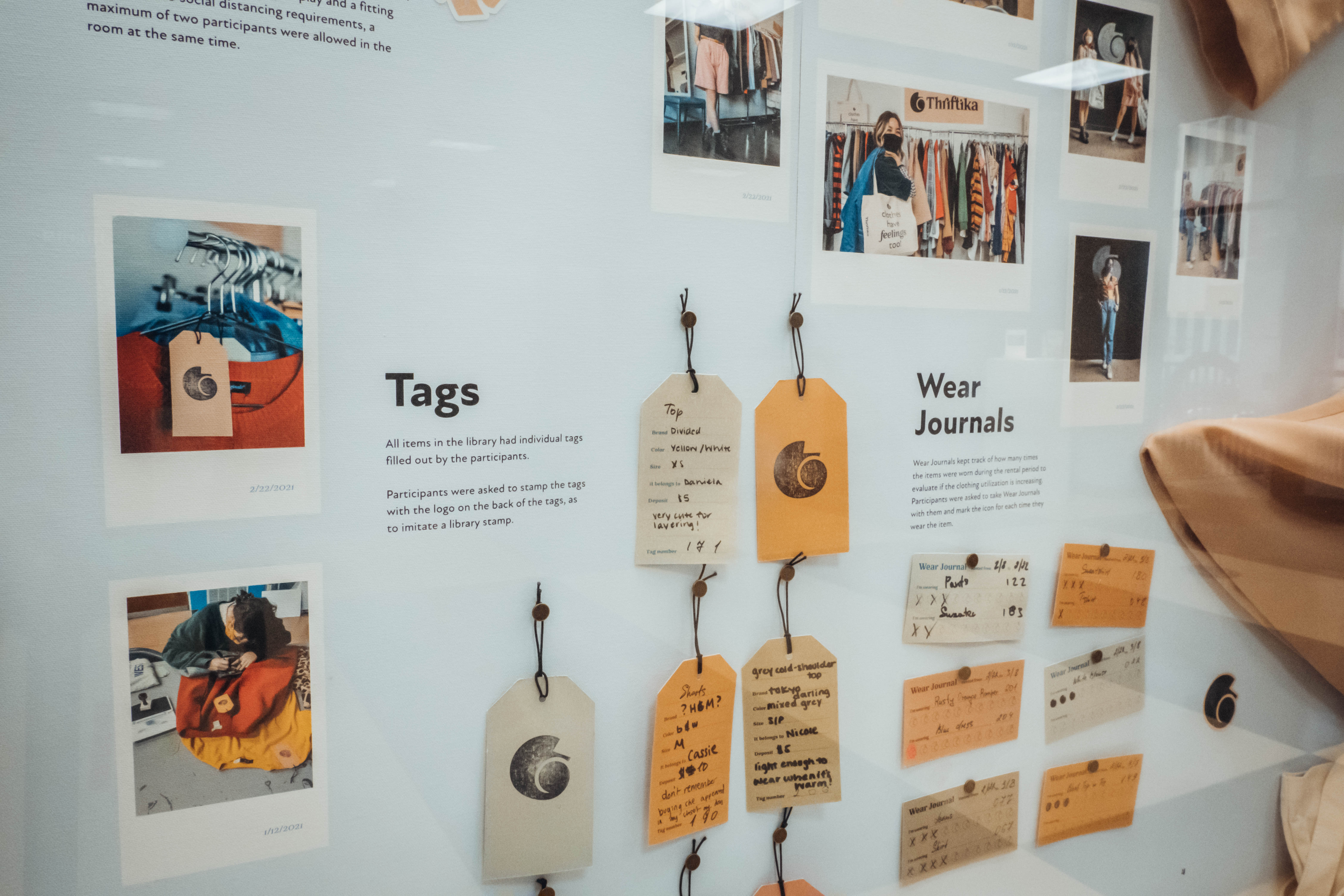
After the initial research stage, I began user testing. Part of my studio was converted into a pop-up store with a clothing display and a dressing "room". The user testing lasted 2 months (January & February 2021), during which I met with all the participants once every two weeks to exchange clothes and get their feedback on the service. 17 college students participated in the user-testing of the project. Below are the photos from our different meeting sessions and some additional materials designed to record the experience and gift fun swag.
Exhibition
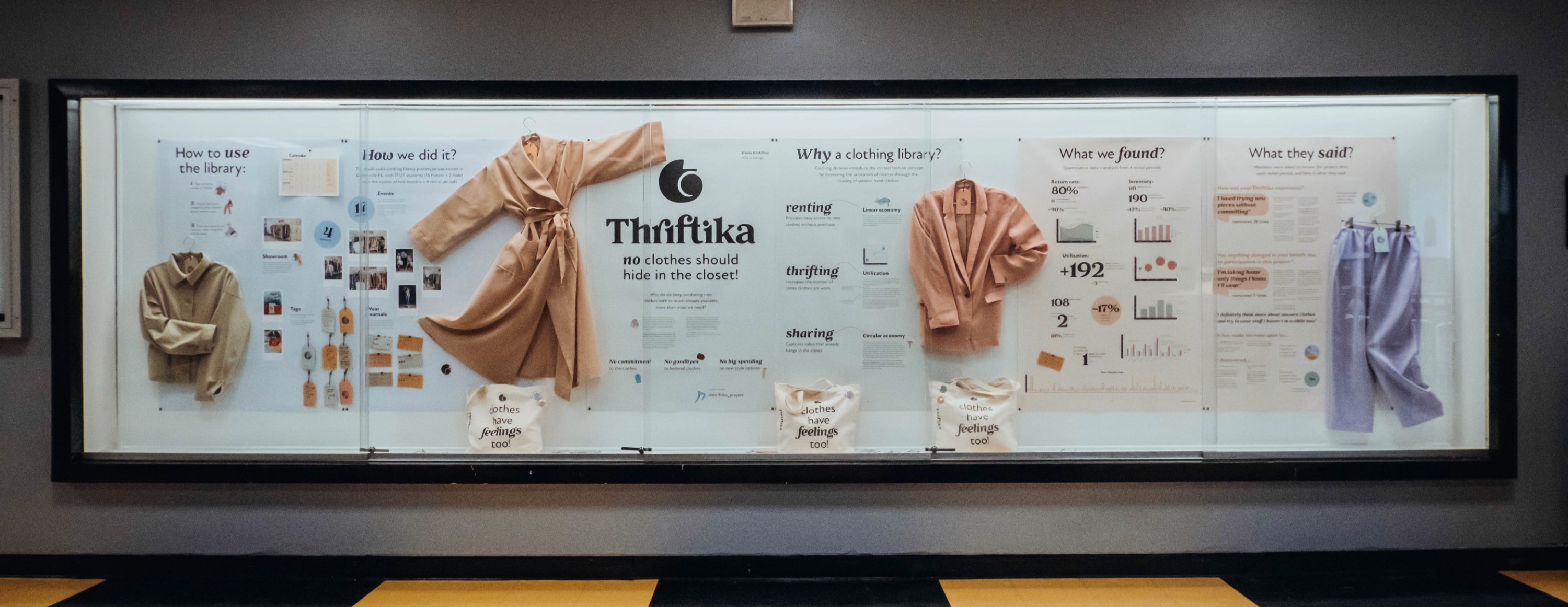
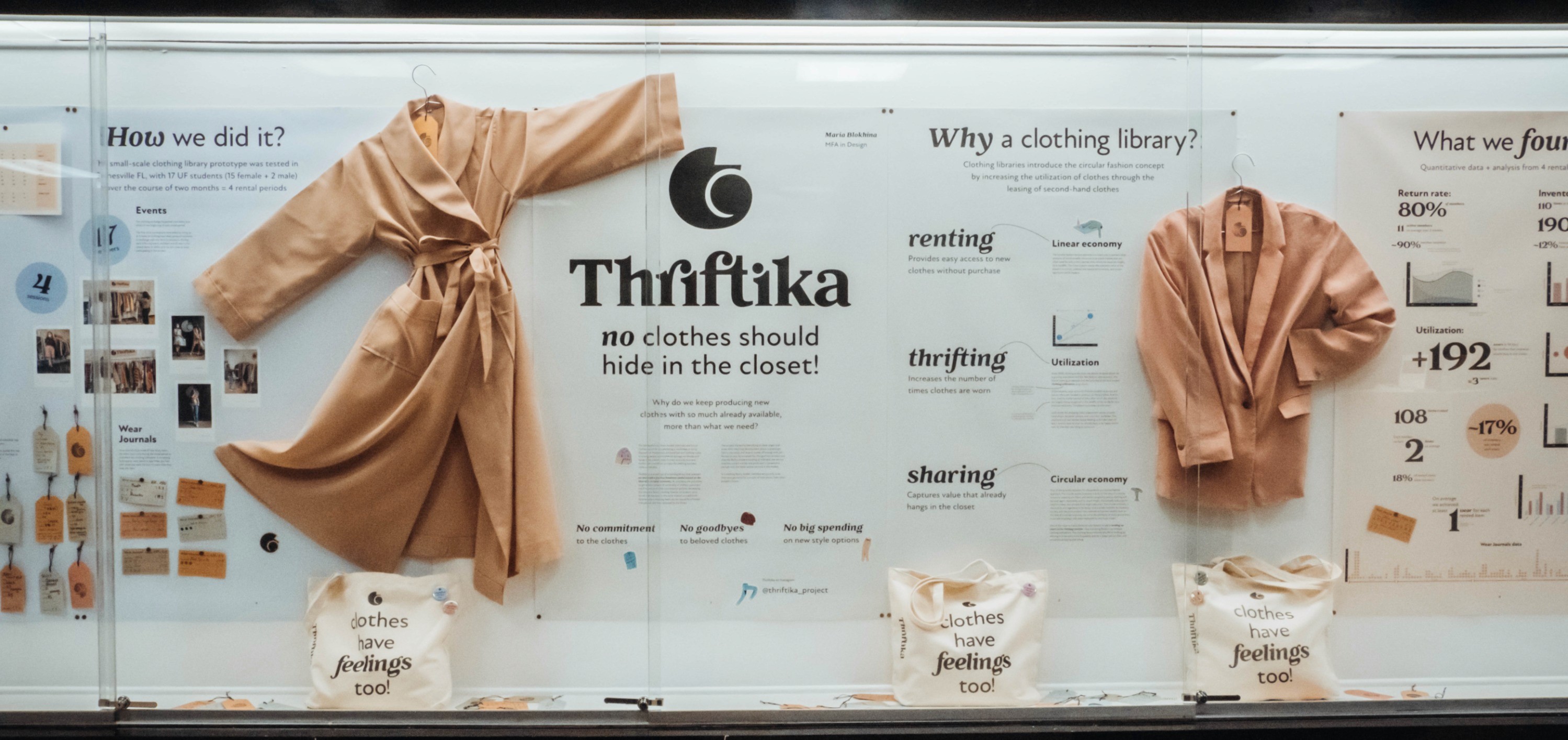
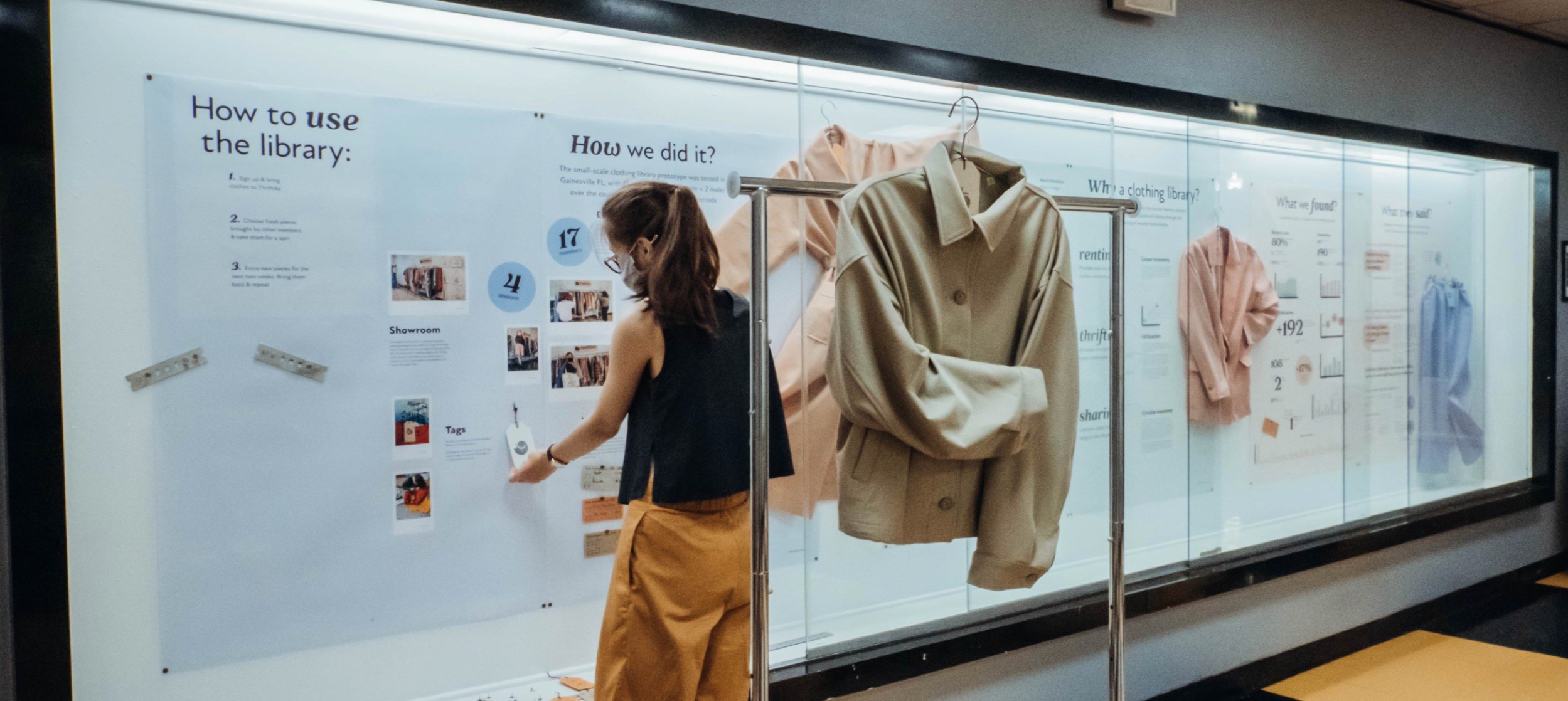
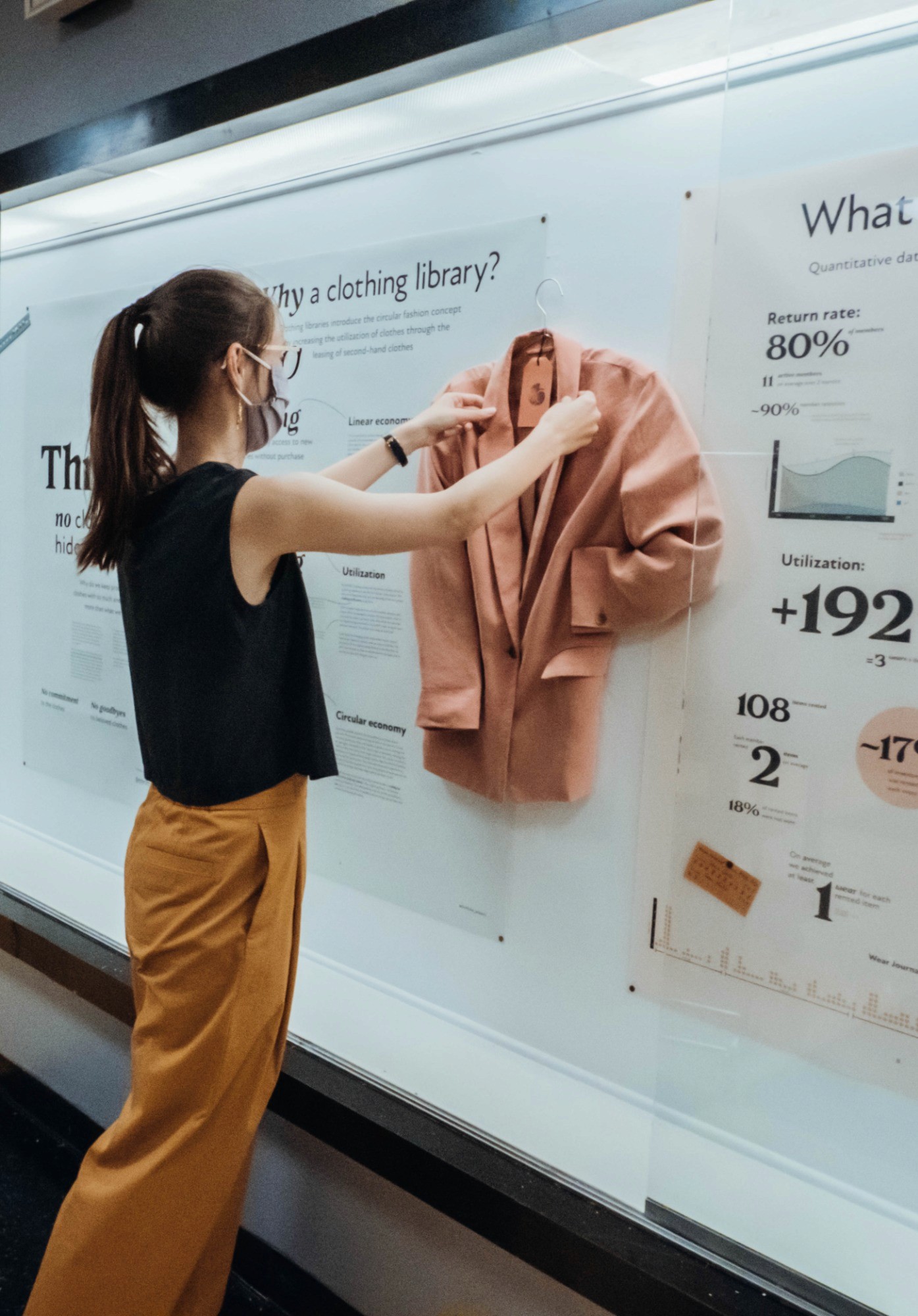
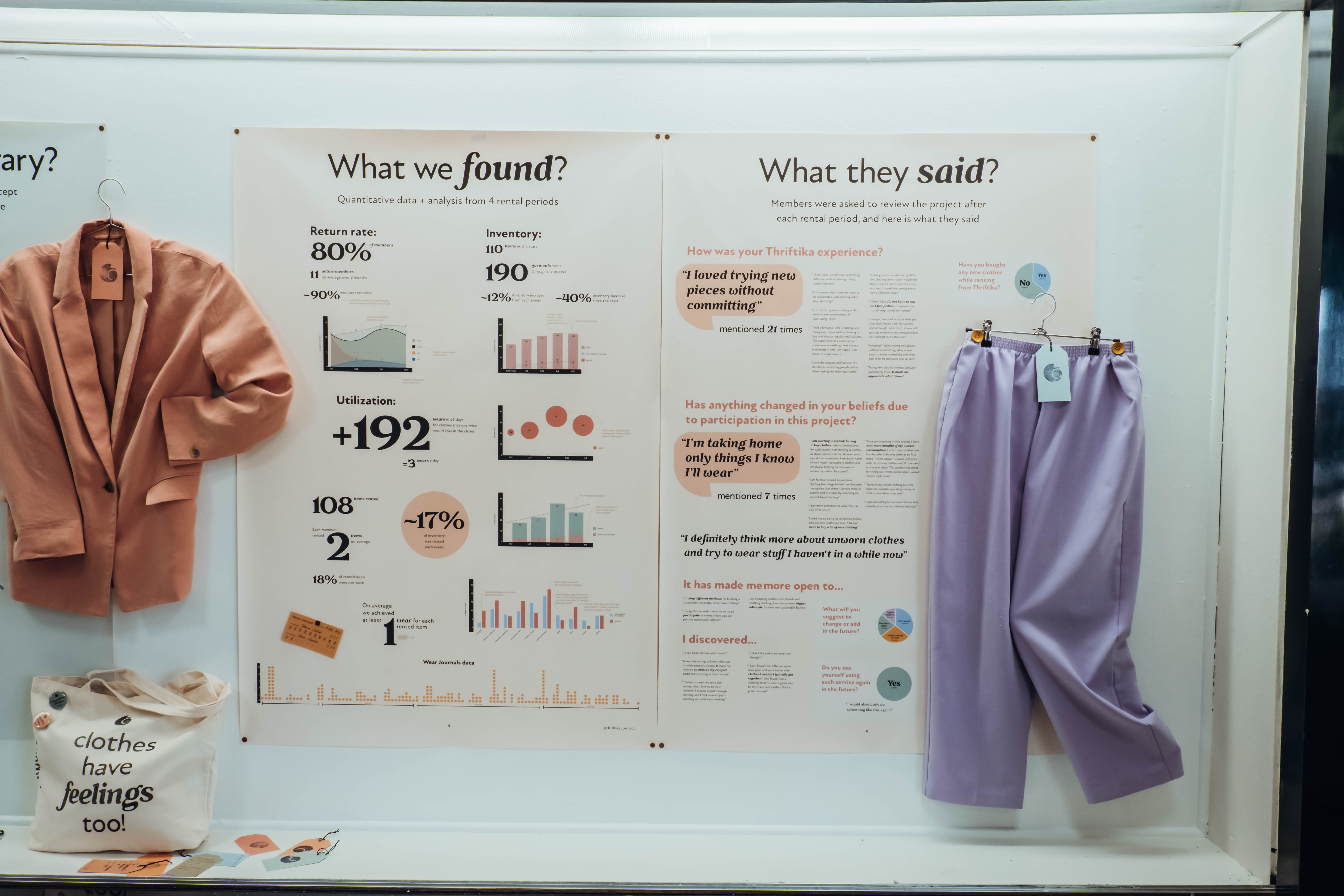
The summary of my process and results of the user-testing were visualized and presented at the graduate thesis exhibition
Results
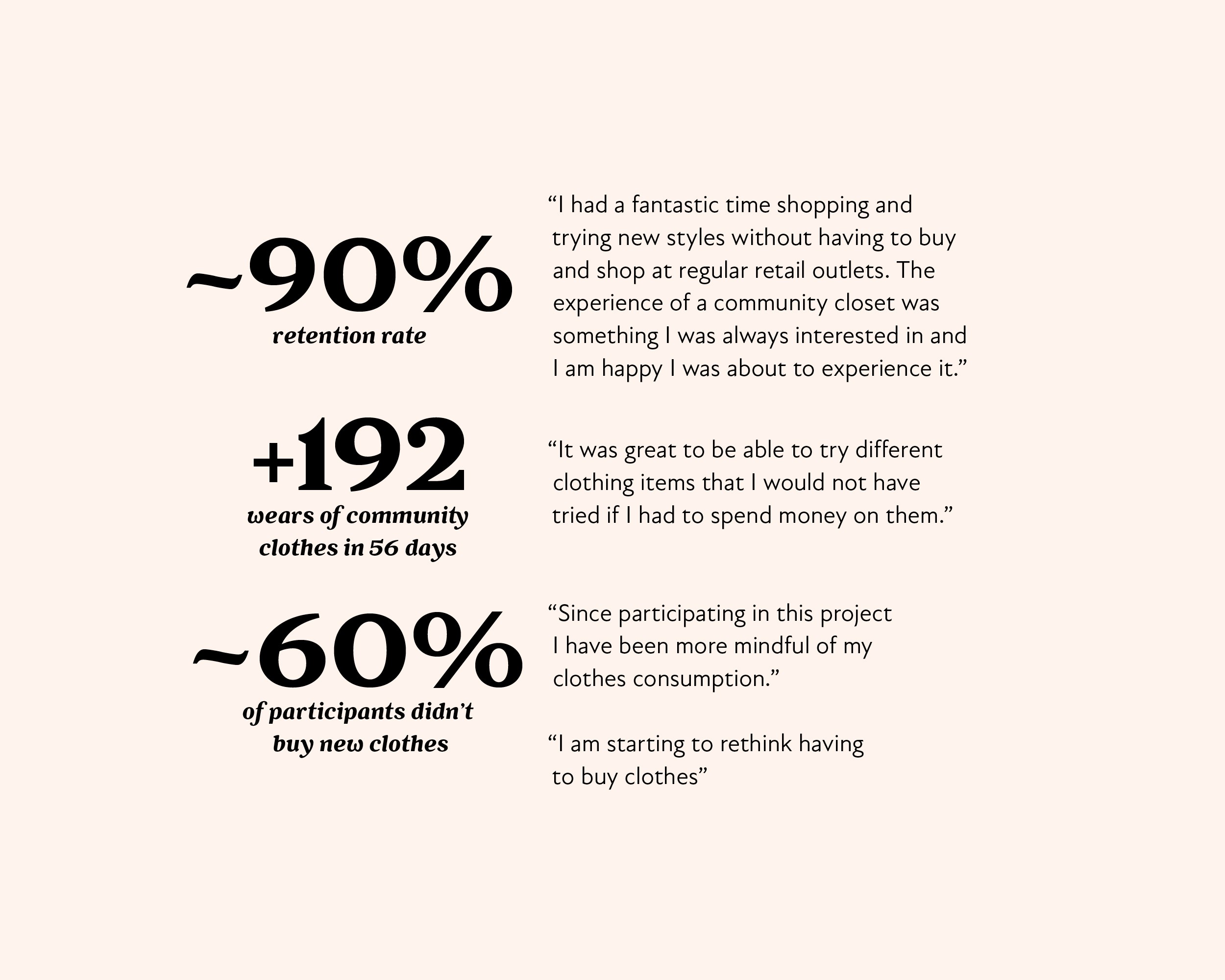
Although our numbers were limited due to the availability of resources and the restrictions of the pandemic, they indicate that the clothing library can be a successful business model within a college student population. We had a 90% member retention rate over two months and members expressed excitement and commitment toward the concept as well as openness to new experiments with the clothing. In addition, we were able to prove that clothing libraries can increase clothing utilization and decrease of new item purchases since participants wore community clothes 192 times. We also received testimonials that participation in the project changed members’ mindset towards being warier when it comes to purchasing new items, even if they are second-hand.